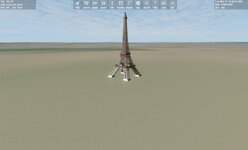
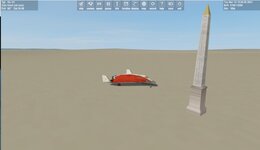
Been working on the Launch pad36 for New Glenn. I still need to get her Launch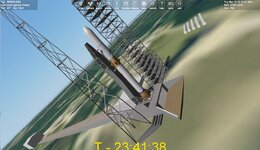

ORBITER-FORUM will be temporarily closed at 2026-07-23 18:00 UTC while we complete some OF maintenance tasks. The amount of downtime is expected to take up to one hour, but probably less.

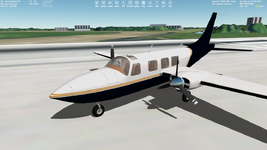
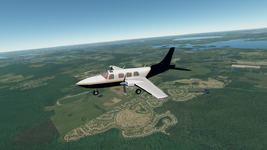
Some other things been working on for another project.


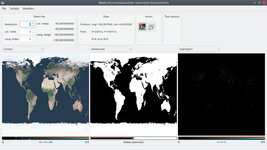

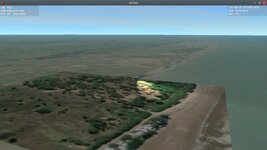
I think I'm doing both at the same time. I've been wanting to texture my cities in Bahía Blanca and Monte Hermoso for years, and now that I've resolved a major segfault in the Linux port of TileEdit, I'm experimenting. I also plan to improve the tool's documentation. I need to test the elevation as well.Are you working on tile making now, or are you testing the TileEdit for Linux you ported?

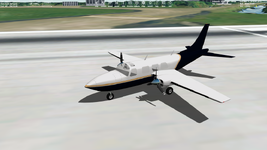

 I am seriously expecting to release a somewhat-stable version in late September. The user manual can guide you through the new features. Readme is not updated, this time.
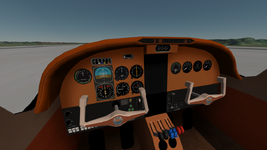
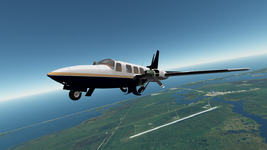
Interesting thread... Just for relaxing... Reposting from AI thread...
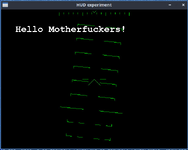
In most cases googling helps better than AI code, because you find whom where AI took code, read that stackoverflow, google litle more and solve your problem. For example, right now I am working on external HUD for Simpit. No idea how to use SDL under linux, but... Few hours and here is result! Working on number (aka text) drawing now. How AI can help me better than reading SDL wiki, some good tutorials on web and Orbiter source code? Part of code is copy/paste from hud.cpp with some modifications.
Can AI generate SDL code, what prevents memory leaks? Learning and reading prevents memory leaks... AI helps to become more stupid.