Updates SpaceX Falcon 9 F5 CRS SpX-2 through CRS SpX-12 Updates

The Dragon that no-one cares about these days is entering ISS port this moment.... ;)
 
B8jGQk3.jpg


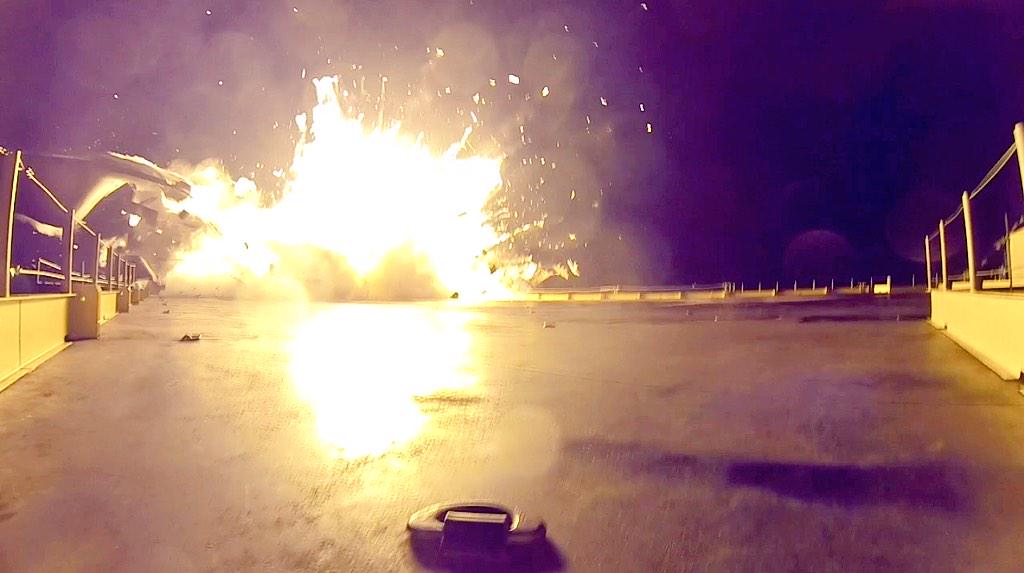
I'm trying to work out what happened from that image - those containers look fried, but apart from that, there doesn't seem to be any damage like something big hit it. I wonder how far away the rocket would have to be to do that kind of burning damage?
 
Smooth primary mission for the SpaceX team. Congrats to all.
 
All 16 bolts in the common berthing mechanism have driven to create a firm connection between Dragon and the Harmony module. The commercial spacecraft is now part of the International Space Station.
 
So, I've read a couple articles stating that the stabilizing fins ran out of hydraulic fluid. And, that the next mission will have more hydraulic fluid. I've never heard of an open hydraulic system. Why isn't this a closed loop system?
 
So, I've read a couple articles stating that the stabilizing fins ran out of hydraulic fluid. And, that the next mission will have more hydraulic fluid. I've never heard of an open hydraulic system. Why isn't this a closed loop system?

Because in many aerospace applications, its simpler to just use Kerosene as "second grade hydraulic fluid". it isn't perfect, but works well and is available in huge numbers. It is for example usually used for the TVC of many rocket engines.

But as the kerosene is consumed by the engines, you slowly run out of fuel and hydraulic fluid. usually, you run out of enough kerosene to power hydraulics before you run out of propellant for the engines.

Also and more likely, the Falcon used an APU for providing hydraulic pressure, when the APU runs out of fuel or battery power, you also loose hydraulic power.
 
Last edited:
I've never heard of an open hydraulic system. Why isn't this a closed loop system?

Mass savings? Think about how much a line of fluid running up the stage to the actuator weighs. 20, 30, maybe even 40 kilos for the whole system? Switch to an open system and you could save quite a bit of weight.
 
If it aint broke, ... you don't know what to fix.
 
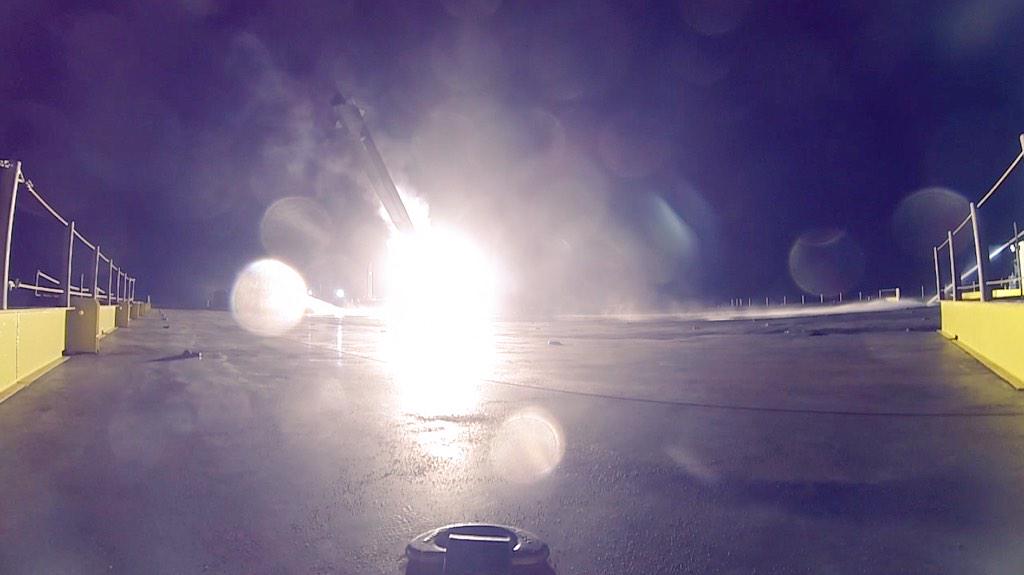
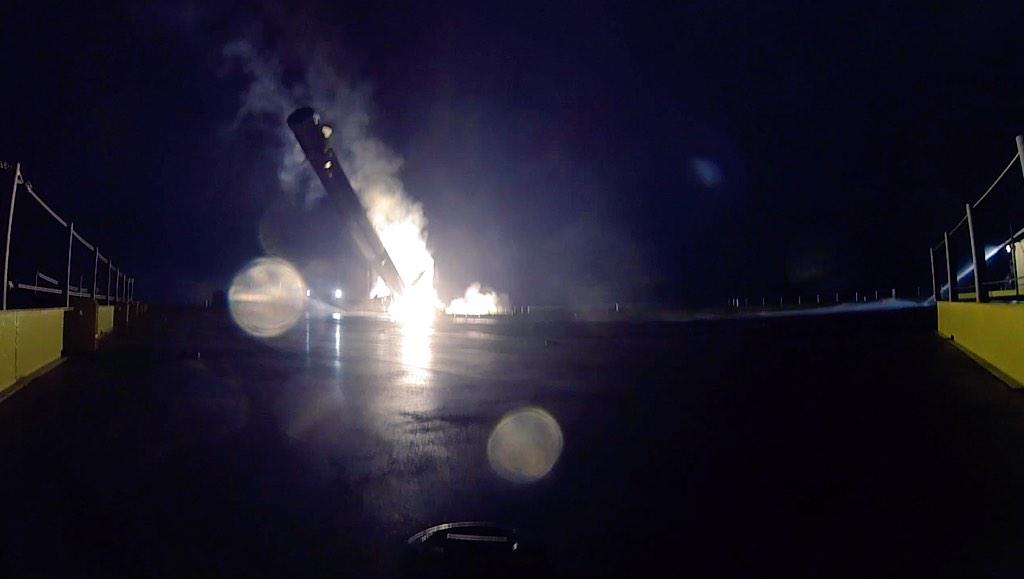
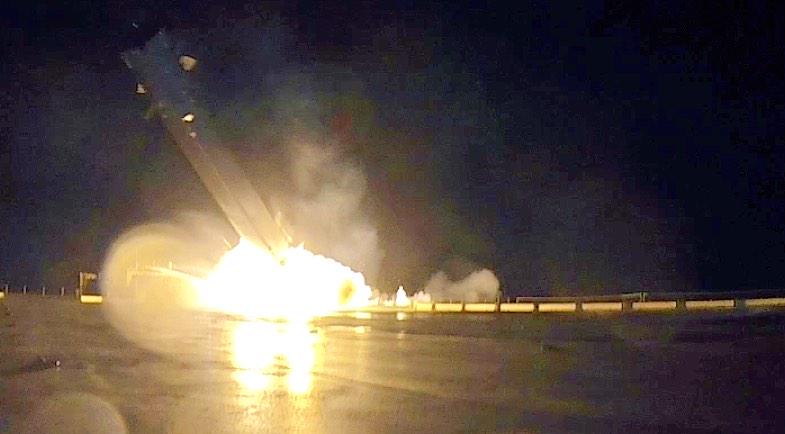
What I'm seeing is the F9 1st stage tipping over and exploding? Did it land upright at first?
 
What I'm seeing is the F9 1st stage tipping over and exploding? Did it land upright at first?

No, the series of images look like the rocket was already tipped over before impacting. The grid fins should have nearly zero impact at low speeds, so a failure of them can only have impact before starting to slow down.

Looks like the rocket was again destabilized during landing and impossible to stabilize by the TVC in the short time available before touchdown. And if a rocket is tumbling out of control around the desired axis of the guidance system ("like a moth towards the light"), it also has much less effective acceleration available for slowing down and controlling flight - the most effective time of ignition is then far too late or the fuel not enough.
 
Back
Top