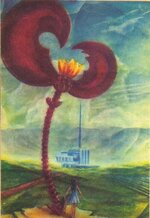
Картина с выставки «Космос завтрашнего дня». Художник С. ГАВРИШ. «Марсианские сады». A painting from the exhibition "Space of Tomorrow." Artist S. GAVRISH. "Martian Gardens." Un cuadro de la exposición "Espacio del Mañana". Artista: S. GAVRISH. "Jardines marcianos".
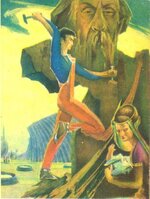
Картина с выставки «Космос завтрашнего дня». Художник Г. ГОЛОБОКОВ (г.Балаково Саратовской области). «Памятник». На картине изображено создание памятника одному из теоретиков космонавтики Константину Эдуардовичу Циолковскому. A painting from the "Space of Tomorrow" exhibition. Artist G. GOLOBOKOV (Balakovo, Saratov Region). "Monument." The painting depicts the creation of a monument to one of the cosmonaut theorists, Konstantin Eduardovich Tsiolkovsky. Un cuadro de la exposición "El espacio del mañana". Artista: G. GOLOBOKOV (Balakovo, región de Saratov). "Monumento". La pintura representa la creación de un monumento a Konstantin Eduardovich Tsiolkovsky, uno de los teóricos del cosmonauta.
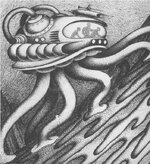
Картина с выставки «Космос завтрашнего дня». Художник Н. НЕДБАЙЛО (Москва). «Путешествие по вулкану». A painting from the exhibition "Space of Tomorrow." Artist N. NEDBAYLO (Moscow). "Journey through the Volcano." Un cuadro de la exposición "Espacio del Mañana". Artista: N. NEDBAYLO (Moscú). "Viaje a través del volcán".
Конкурс «Мир 2000 года» наглядно продемонстрировал тот знаменательный факт, что новый жанр искусства — научно-фантастическая живопись — получил широкое общественное признание и прежде всего среди молодежи. Свыше 4 тыс. работ было прислано на конкурс из стран социалистического содружества — Болгарии, ГДР, Польши, СССР, Чехословакии, Югославии.
На заключительной выставке экспонировалось около 300 лучших картин. 250 работ были показаны во время Всемирного конгресса миролюбивых сил в залах московского Дома ученых АН СССР. Отрадно отметить и то, что среди участников конкурса — молодые рабочие, студенты, воины — все, кто созидает светлое завтра.
Публикуя итоги конкурса «Мир 2000 года», редакция надеется, что все его участники будут продолжать активную деятельность в любимом жанре. Страницы журнала «Техника — молодежи» всегда открыты для новых полотен о будущем.
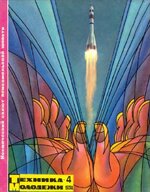
На фото: Картина художника Н. Горбача на обложке журнала "Техника - молодежи" №;4; 1974. The "Peace 2000" competition vividly demonstrated the remarkable fact that a new art genre—science fiction painting—has gained widespread public recognition, especially among young people. Over 4,000 works were submitted from countries of the socialist bloc—Bulgaria, East Germany, Poland, the USSR, Czechoslovakia, and Yugoslavia. The final exhibition featured approximately 300 of the best paintings. 250 works were shown during the World Congress of Peace Forces in the Moscow House of Scientists of the USSR Academy of Sciences. It is also gratifying to note that the competition participants included young workers, students, and soldiers—all those who are creating a brighter tomorrow.
By publishing the results of the "Peace 2000" competition, the editors hope that all participants will continue their active work in their beloved genre. The pages of "Technology for Youth" magazine are always open to new paintings about the future. In the photo: Painting by artist N. Gorbach on the cover of the magazine "Technology for Youth" No. 4, 1974. El concurso "Paz 2000" demostró de forma contundente el notable éxito de un nuevo género artístico —la pintura de ciencia ficción—, que ha alcanzado un amplio reconocimiento público, especialmente entre los jóvenes. Se presentaron más de 4000 obras procedentes de países del bloque socialista: Bulgaria, Alemania Oriental, Polonia, la URSS, Checoslovaquia y Yugoslavia. La exposición final incluyó aproximadamente 300 de las mejores pinturas. 250 obras se exhibieron durante el Congreso Mundial de Fuerzas de la Paz en la Casa de Científicos de la Academia de Ciencias de la URSS en Moscú. Es gratificante destacar que entre los participantes del concurso se encontraban jóvenes trabajadores, estudiantes y militares: todos aquellos que están construyendo un futuro mejor.
Al publicar los resultados del concurso "Paz 2000", los editores esperan que todos los participantes continúen su trabajo activo en este género tan apreciado. Las páginas de la revista "Tecnología para la Juventud" están siempre abiertas a nuevas pinturas sobre el futuro. En la foto: Pintura del artista N. Gorbach en la portada de la revista "Tecnología para la Juventud" n.º 4, 1974.
Иван Антонович Ефремов — легендарная фигура русской фантастики второй половины ХХ века. Иван Антонович родился в поселке Вырица под Петербургом. Отец его — солдат лейб-гвардеец из заволжских крестьян, ставший крупным лесоторговцем, имел прекрасную библиотеку. Рано научившийся читать, Ваня с 6 лет увлекся романами Жюля Верна, книгами о путешествиях. С литературой, которой Ефремов увлекался с детства, его прочно связала болезнь. В 1942 году он оказывается надолго прикованным к постели. Человек неукротимой энергии, он находит ей выход в создании цикла своих первых приключенческих и научно-фантастических новелл, которые объединяет названием «Рассказы о необыкновенном». Это были «Эллинский Секрет», «Олгой-Хорхой», «Озеро Горных Духов» и другие.
С 1944 г. эти и другие рассказы начинают публиковаться в журналах «Новый мир», «Техника- молодежи», в военных журналах «Краснофлотец» и «Красноармеец». Вскоре выходят отдельные сборники, названные по одноименным рассказам: «Встреча над Тускаророй» (1944), «Белый Рог» (1945), «Алмазная Труба» (1946), в сборник «Семь румбов» должен был войти рассказ «Сумашедший танк», но сам автор его забраковал, а «Эллинский секрет» не пропустил редактор, поэтому озаглавлен по числу вошедших в них произведений: «Пять румбов» (1944). Одним из первых высоко оценил литературный дебют Ефремова тяжело больной советский писатель А. Н. Толстой — за правдоподобие необычайного и изящный стиль.
Вскоре к 13 рассказам, опубликованным в 1944-1945 годах, прибавляется историческая дилогия «Великая Дуга» (повести «На краю Ойкумены», 1949, и «Путешествие Баурджеда», 1953), первые «космические повести» («Звездные Корабли», 1947, и «Сердце Змеи», 1959), а также увлекательный путевой дневник «Дорога Ветров» (1956).
Иван Ефремов был убежден, что наука ведет в пустоту, если за ней не стоит философия. Славу самого конструктивного мыслителя в мире и родоначальника советской научно-социальной фантастики он приобрел после выхода в свет «Туманности Андромеды» (1957) и «Часа Быка» (1968). Оба романа, подчеркнуто обращенные к молодежной читательской аудитории, представляют собой образное воплощение антропоморфической гипотезы автора, считавшего что любые формы жизни на определенном этапе развития должны стать человекообразными. Достигнувшие космического уровня цивилизации объединяются в Великое Кольцо Миров. Судьба цивилизации зависит от того, как решается ею частная судьба человека — ведь «человек — та же вселенная, глубокая, неисчерпаемая».
Самый известный научно-фантастический роман Ефремова, «Туманность Андромеды», вышел в 1957 году. В нём показано общество, развитое таким образом, что нет материального неравенства между людьми, и каждый человек может беспрепятственно заниматься саморазвитием. Межгалактическая система связи объединяет человечество в сообщество разумных цивилизаций Вселенной, Великое Кольцо Цивилизаций. Книга стала моральным ориентиром для многих людей в Советском Союзе. Помимо глубокого дидактического аспекта, книга также содержала интересный сюжет о космических путешествиях, поэтому люди ценили её за образовательную и развлекательную ценность. Алгис Будрис сравнил стиль прозы Ефремова со стилем Хуго Гернсбака. Со временем социально-политическая обстановка в мире становилась все более тревожной, и эти изменения нашли отражение в романе «Час быка». В нем Ефремов пытается предупредить о грядущих катастрофах в экологической, этической и социальной сферах. Многие считали роман завуалированной критикой СССР, хотя более поздние исследователи обнаружили, что роман в основном демонстрирует тупиковые перспективы маоизма и гангстерского капитализма. Правительство обвинило роман в антисоветизме и запретило его публикацию до конца 1980-х годов. Последним романом Ефремова стал «Таис Афинская» , опубликованный в 1972 году. Действие романа разворачивается во времена Александра Великого . В нем затрагиваются многочисленные темы, включая малоизвестные женские культы, вопросы внутренней жизни женщин и их роли в мировой истории; поднимаются вопросы религии, культурного происхождения и поиска красоты и истины. Ivan Antonovich Yefremov was a legendary figure of Russian science fiction in the second half of the twentieth century. He was born in the settlement of Vyritsa near St. Petersburg. His father, a former Life Guards soldier from a peasant family of the Volga region who later became a successful timber merchant, possessed an excellent library. Having learned to read at an early age, young Ivan became fascinated with the novels of Jules Verne and books about travel when he was only six years old. Literature, which had captivated Yefremov since childhood, became inseparably linked with his life during a serious illness. In 1942 he was confined to bed for a long period. A man of indomitable energy, he found an outlet in writing his first adventure and science-fiction stories, later united under the title “Stories of the Extraordinary.” These included The Hellenic Secret, Olgoi-Khorkhoi, The Lake of the Mountain Spirits, and others.
Beginning in 1944, these and other stories were published in the magazines Novy Mir, Tekhnika Molodezhi, and the military journals Krasnoflotets and Krasnoarmeyets. Soon separate collections appeared: Meeting over Tuscarora (1944), The White Horn (1945), and The Diamond Pipe (1946). Another collection, originally intended to include the story The Mad Tank, was eventually published as Five Bearings (1944). One of the first to highly praise Yefremov's literary debut was the seriously ill Soviet writer Alexei Nikolayevich Tolstoy, who admired the believable treatment of extraordinary events and the elegance of the author's style.
The thirteen stories published in 1944–1945 were soon followed by the historical dilogy “The Great Arc” (At the Edge of the Oecumene, 1949, and Baurjed's Journey, 1953), his first space novellas (Star Ships, 1947, and The Heart of the Serpent, 1959), and the fascinating travel diary The Road of Winds (1956).
Yefremov was convinced that science leads to emptiness if it is not supported by philosophy. He gained fame as one of the most constructive thinkers of his age and as the founder of Soviet social science fiction after the publication of Andromeda Nebula (1957) and The Hour of the Bull (1968).
Both novels, consciously aimed at young readers, embodied the author's anthropomorphic hypothesis that any form of intelligent life, at a certain stage of development, would eventually become human-like. Civilizations that reach a cosmic level of development unite into the Great Circle of Worlds. The fate of a civilization depends on how it resolves the fate of each individual, for “man is also a universe—deep and inexhaustible.”
Yefremov's most famous science-fiction novel, The Andromeda Nebula, was published in 1957. It depicts a society that has overcome material inequality, where every person can freely pursue self-development. An interstellar communication system unites humanity with other intelligent civilizations in the Universe within the Great Circle of Civilizations. The book became a moral guide for many people in the Soviet Union. In addition to its profound philosophical and educational themes, it offered an exciting story of space exploration, making it valuable both as literature and as entertainment.
Science-fiction writer Algis Budrys compared Yefremov's prose style to that of Hugo Gernsback.
As the international situation grew increasingly tense, these concerns were reflected in The Hour of the Bull. In this novel Yefremov sought to warn humanity about impending ecological, ethical, and social crises. Many readers regarded it as a veiled criticism of the Soviet Union, although later researchers concluded that the novel primarily depicted the dead-end prospects of Maoism and gangster capitalism. The authorities accused the book of anti-Soviet tendencies and prohibited its publication until the late 1980s. Yefremov's final novel was Thais of Athens, published in 1972. Set during the age of Alexander the Great, the novel explores numerous themes, including little-known women's cults, the inner world of women and their role in world history, as well as questions of religion, cultural origins, and the search for beauty and truth. Iván Antónovich Yefrémov fue una figura legendaria de la ciencia ficción rusa de la segunda mitad del siglo XX. Nació en la localidad de Vyritsa, cerca de San Petersburgo. Su padre, antiguo soldado de la Guardia Imperial procedente de una familia campesina de la región del Volga y posteriormente importante comerciante de madera, poseía una magnífica biblioteca. Iván aprendió a leer muy pronto y, desde los seis años, quedó fascinado por las novelas de Julio Verne y los libros de viajes. La literatura, que le apasionaba desde la infancia, quedó unida a su destino a raíz de una grave enfermedad. En 1942 permaneció durante mucho tiempo postrado en cama. Hombre de energía inagotable, encontró una salida creativa escribiendo sus primeras narraciones de aventuras y ciencia ficción, reunidas más tarde bajo el título «Relatos de lo extraordinario». Entre ellas figuraban El secreto helénico, Olgoi-Jorjoi, El lago de los espíritus de la montaña y otras.
A partir de 1944, estos y otros relatos comenzaron a publicarse en las revistas Novy Mir, Tekhnika Molodezhi y en las publicaciones militares Krasnoflotets y Krasnoarmeyets. Poco después aparecieron colecciones independientes: Encuentro sobre Tuscarora (1944), El cuerno blanco (1945) y La tubería de diamantes (1946). Uno de los primeros en valorar altamente el debut literario de Yefrémov fue el escritor soviético Alexéi Nikoláyevich Tolstói, quien destacó la verosimilitud de lo extraordinario y la elegancia de su estilo.
A los trece relatos publicados entre 1944 y 1945 se añadieron pronto la dilogía histórica «El Gran Arco» (En el borde de la Oikumene, 1949, y El viaje de Bauryed, 1953), sus primeras novelas cortas espaciales (Naves estelares, 1947, y El corazón de la serpiente, 1959), así como el fascinante libro de viajes La ruta de los vientos (1956).
Yefrémov estaba convencido de que la ciencia conduce al vacío si no está respaldada por la filosofía. Alcanzó fama como uno de los pensadores más constructivos de su época y como fundador de la ciencia ficción social soviética tras la publicación de La nebulosa de Andrómeda (1957) y La hora del Toro (1968).
Ambas novelas, dirigidas especialmente a los jóvenes lectores, representan la hipótesis antropomórfica del autor, según la cual cualquier forma de vida inteligente, al alcanzar cierto nivel de desarrollo, terminará adquiriendo rasgos humanoides. Las civilizaciones que alcanzan el nivel cósmico se integran en el Gran Anillo de los Mundos. El destino de una civilización depende de cómo resuelva el destino de cada individuo, pues «el ser humano es también un universo, profundo e inagotable».
La obra más famosa de Yefrémov, La nebulosa de Andrómeda, apareció en 1957. En ella se describe una sociedad que ha superado la desigualdad material y donde cada persona puede dedicarse libremente a su propio desarrollo. Un sistema interestelar de comunicación une a la humanidad con otras civilizaciones inteligentes del Universo dentro del Gran Anillo de las Civilizaciones. El libro se convirtió en una referencia moral para muchas personas en la Unión Soviética. Además de su profundo contenido filosófico y educativo, ofrecía una apasionante historia de exploración espacial.
El escritor de ciencia ficción Algis Budrys comparó el estilo literario de Yefrémov con el de Hugo Gernsback.
Con el paso del tiempo, la situación política y social del mundo se volvió cada vez más inquietante, y estos cambios quedaron reflejados en La hora del Toro. En esta novela, Yefrémov intentó advertir sobre futuras catástrofes ecológicas, éticas y sociales. Muchos consideraron la obra una crítica velada a la Unión Soviética, aunque investigaciones posteriores concluyeron que el libro mostraba principalmente las perspectivas sin salida del maoísmo y del capitalismo gangsteril. Las autoridades acusaron a la novela de antisovietismo y prohibieron su publicación hasta finales de la década de 1980. La última novela de Yefrémov fue Taís de Atenas, publicada en 1972. Ambientada en la época de Alejandro Magno, la obra aborda numerosos temas, entre ellos cultos femeninos poco conocidos, la vida interior de las mujeres y su papel en la historia mundial, así como cuestiones relacionadas con la religión, los orígenes culturales y la búsqueda de la belleza y la verdad.
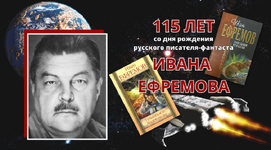
Коллаж "115 лет со дня рождения русского писателя-фантаста Ивана Ефремова". Collage "115 years since the birth of Russian science fiction writer Ivan Efremov". Collage "115 años del nacimiento del escritor ruso de ciencia ficción Ivan Efremov".
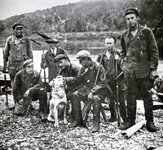
Первая геологическая экспедиция молодого Ивана Ефремова. На фото Иван Ефремов крайний справа. Young Ivan Efremov's first geological expedition.
In the photo, Ivan Efremov is on the far right. La primera expedición geológica del joven Iván Efremov.
En la foto, Iván Efremov está en el extremo derecho.
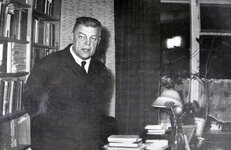
Ефремов дает интервью в своем рабочем кабинете, 60-е годы. Efremov gives an interview in his office, 1960s. Efremov concede una entrevista en su oficina, década de 1960.
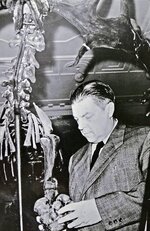
Иван Ефремов на работе в палеонтологическом институте. Ivan Efremov at work at the paleontological institute. Ivan Efremov trabajando en el instituto paleontológico.
Иван Ефремов с коллегой по экспедиции в пустыне Гоби Марией Федоровной Лукьяновой. Санаторий "Узкое". Ivan Efremov with his Gobi Desert expedition colleague, Maria Fedorovna Lukyanova. Uzkoe Sanatorium. Ivan Efremov con su colega de expedición al desierto de Gobi, Maria Fedorovna Lukyanova. Sanatorio de Uzkoe.
На фото слева направо: Иван Ефремов, академик Татаринов, профессор-палеонтолог Олсен, академик Флеров. In the photo from left to right: Ivan Efremov, academician Tatarinov, professor-paleontologist Olsen, academician Flerov. En la foto, de izquierda a derecha: Ivan Efremov, el académico Tatarinov, el profesor paleontólogo Olsen y el académico Flerov.
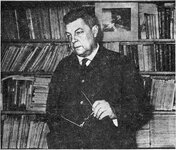
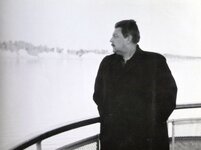
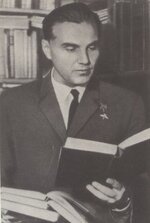
Иван Ефремов. Фото из личного архива летчика-испытателя, журналиста, киносценариста Мстислава Листова. Ivan Efremov. Photo from the personal archive of test pilot, journalist, and screenwriter Mstislav Listov. Ivan Efremov. Fotografía del archivo personal del piloto de pruebas, periodista y guionista Mstislav Listov.
Письмо великого советского педагога Сухомлинского Ивану Ефремову "Дорогой Иван Антонович, вы не поверите, вашу „Туманность Андромеды“ я прочитал 4 раза. Это не пристрастие к фантастике, а стремление еще и еще раз понять глубину ваших мыслей, которых у вас обилие и в строчках, и между строчками. Ваши люди будущего восхищают своей правдивостью… Опишите, дорогой Иван Антонович, гибель жизни на какой-то планете, пусть все задумаются, что эта гибель ожидает и нас. Ваш Сухомлинский". На фото: советский педагог Василий Александрович Сухомлинский(1918 -1970). Letter from the great Soviet educator Vasily Sukhomlinsky to Ivan Yefremov "Dear Ivan Antonovich,
You will hardly believe it, but I have read your Andromeda Nebula four times. This is not a fondness for science fiction, but a desire to understand again and again the depth of your ideas, which are abundant both in the lines and between the lines.
The people of the future in your novel inspire admiration because of their truthfulness...
Dear Ivan Antonovich, describe the extinction of life on some planet, so that everyone may reflect on the fact that the same fate could await us as well.
Yours sincerely,
Sukhomlinsky" In the photo: Soviet educator Vasily Alexandrovich Sukhomlinsky (1918–1970).
Carta del gran pedagogo soviético Vasili Sujomlinski a Iván Efremov «Querido Iván Antónovich:
No lo creerá, pero he leído su Nebulosa de Andrómeda cuatro veces. No se trata de una afición por la ciencia ficción, sino del deseo de comprender una y otra vez la profundidad de sus ideas, que abundan tanto en las líneas como entre ellas.
Las personas del futuro que aparecen en su novela me maravillan por su autenticidad...
Describa, querido Iván Antónovich, la desaparición de la vida en algún planeta, para que todos reflexionen sobre el hecho de que el mismo destino podría esperarnos también a nosotros. Suyo, Sujomlinski» En la fotografía: el pedagogo soviético Vasili Aleksándrovich Sujomlinski (1918–1970).
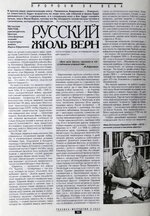
Публикация Мстислава Листова, посвященная Ивану Ефремову в журнале «Техника молодежи». Название статьи "Русский Жюль Верн". Mstislav Listov's publication dedicated to Ivan Efremov in the magazine "Technology for the Youth".The title of the article is "Russian Jules Verne". Publicación de Mstislav Listov dedicada a Ivan Efremov en la revista "Tecnología para la Juventud".El título del artículo es "El Julio Verne ruso".
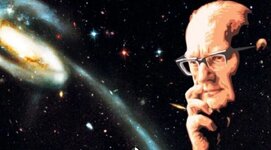
"Главный редактор журнала «Техника - молодежи» Василий Дмитриевич Захарченко, который печатал произведения Ефремова, мне рассказал, что он спросил Артура Кларка: «Кого из современных научных фантастов вы поставите на первое место?» Кларк, не задумываясь, сказал: Станислава Лема. Захарченко был дотошным человеком и снова спросил: «А Ефремова?» Кларк задумался и ответил: «А Ефремова я ставлю выше Лема». Комментарии излишни". (Мстислав Лестов. «Он знал, почему красота спасет мир»).
На фото: Коллаж "Артур Кларк". "Vasily Dmitrievich Zakharchenko, the editor-in-chief of the magazine Tekhnika Molodezhi (Technology for the Youth), who published Yefremov's works, once told me that he asked Arthur C. Clarke: 'Which contemporary science-fiction writer would you place in first position?' Without hesitation, Clarke replied:
'Stanisław Lem.'
Zakharchenko was a meticulous man and asked again:
'And what about Yefremov?'
Clarke paused for a moment and then answered:
'I place Yefremov above Lem.'
No further comment is necessary."
(Mstislav Lestov, "He Knew Why Beauty Will Save the World")
In the photo: Collage dedicated to Arthur C. Clarke.
«Vasili Dmítrievich Zajárchenko, redactor jefe de la revista Tekhnika Molodiozhi (Técnica para la Juventud), que publicaba las obras de Efremov, me contó que una vez le preguntó a Arthur C. Clarke: “¿A cuál de los escritores contemporáneos de ciencia ficción colocaría usted en el primer lugar?”
Sin pensarlo, Clarke respondió:
“A Stanisław Lem.”
Zajárchenko era una persona minuciosa y volvió a preguntar:
“¿Y a Efremov?”
Clarke reflexionó unos instantes y respondió:
“A Efremov lo sitúo por encima de Lem.”
Los comentarios sobran.»
(Mstislav Lestov, «Él sabía por qué la belleza salvará al mundo»)
En la fotografía: Collage dedicado a Arthur C. Clarke.
This site uses cookies to help personalise content, tailor your experience and to keep you logged in if you register.
By continuing to use this site, you are consenting to our use of cookies.