Launch News TanDEM-X atop Dnepr on June 21, 2010

DLR: TanDEM-X: 2011 bereit für den operationellen Betrieb [part translated below]:
TanDEM-X: Ready for operational running in 2011
December 15, 2010

On December 14, 2010 TanDEM-X mission has reached another important milestone: the test phase was completed on schedule in less than six months and has proven that the operational mode, i.e. the collection of elevation data, can begin from 2011.
Sorry, there is no corresponding English translation on the portal yet.


[table="head"]{colsp=2}
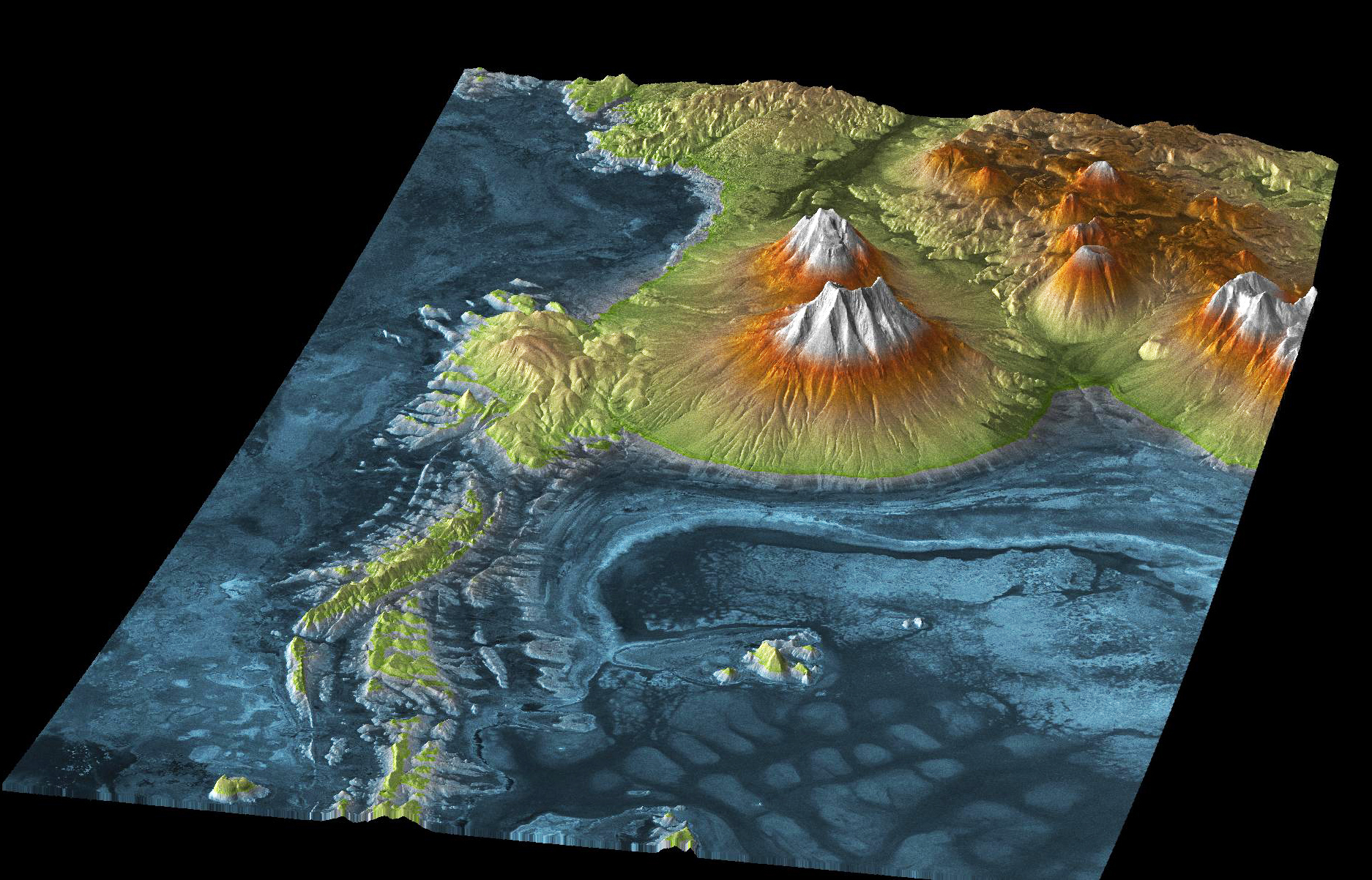
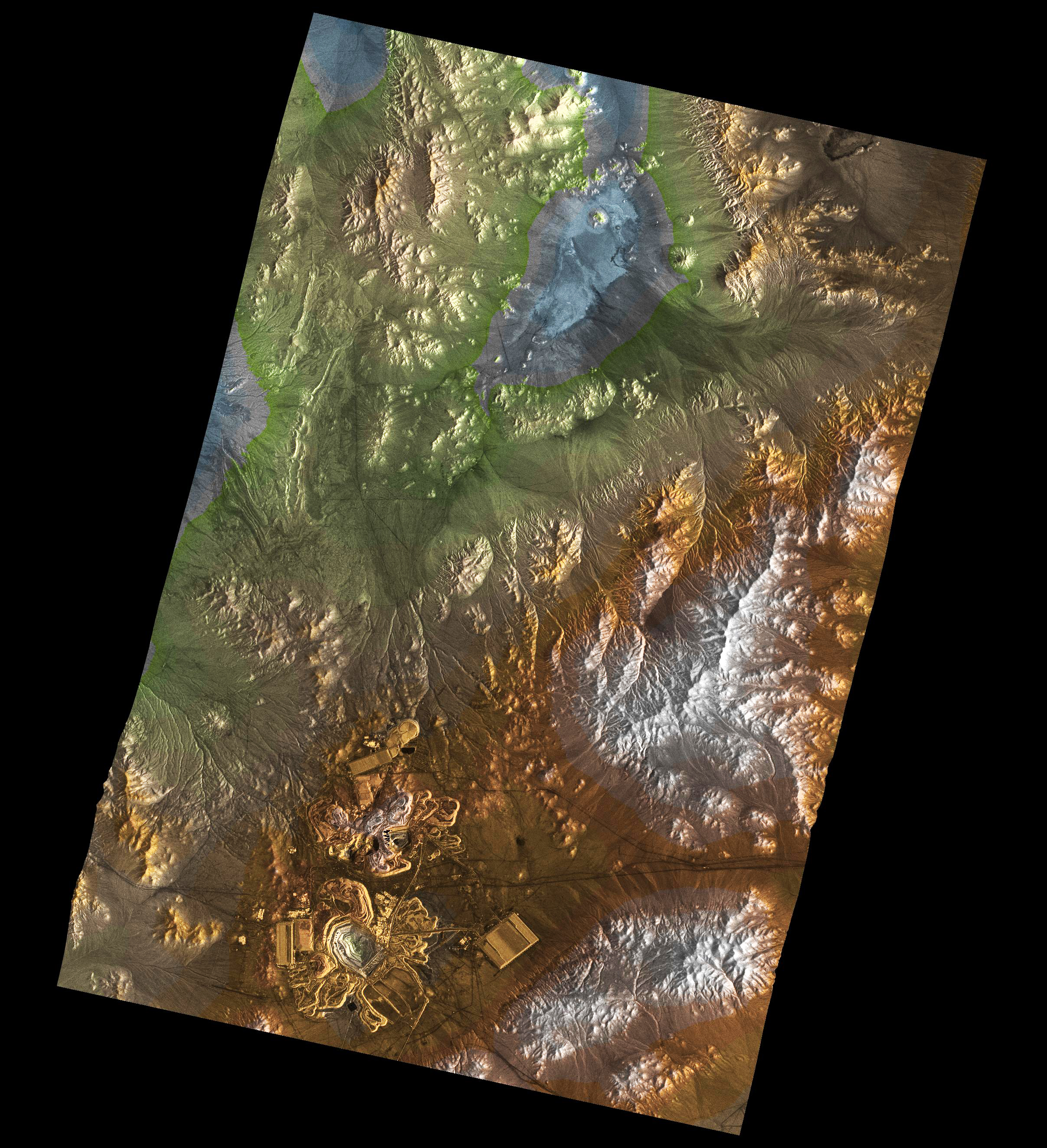
Click on images to view larger versions​

|

Volcanic region of the Atacama desert​
|
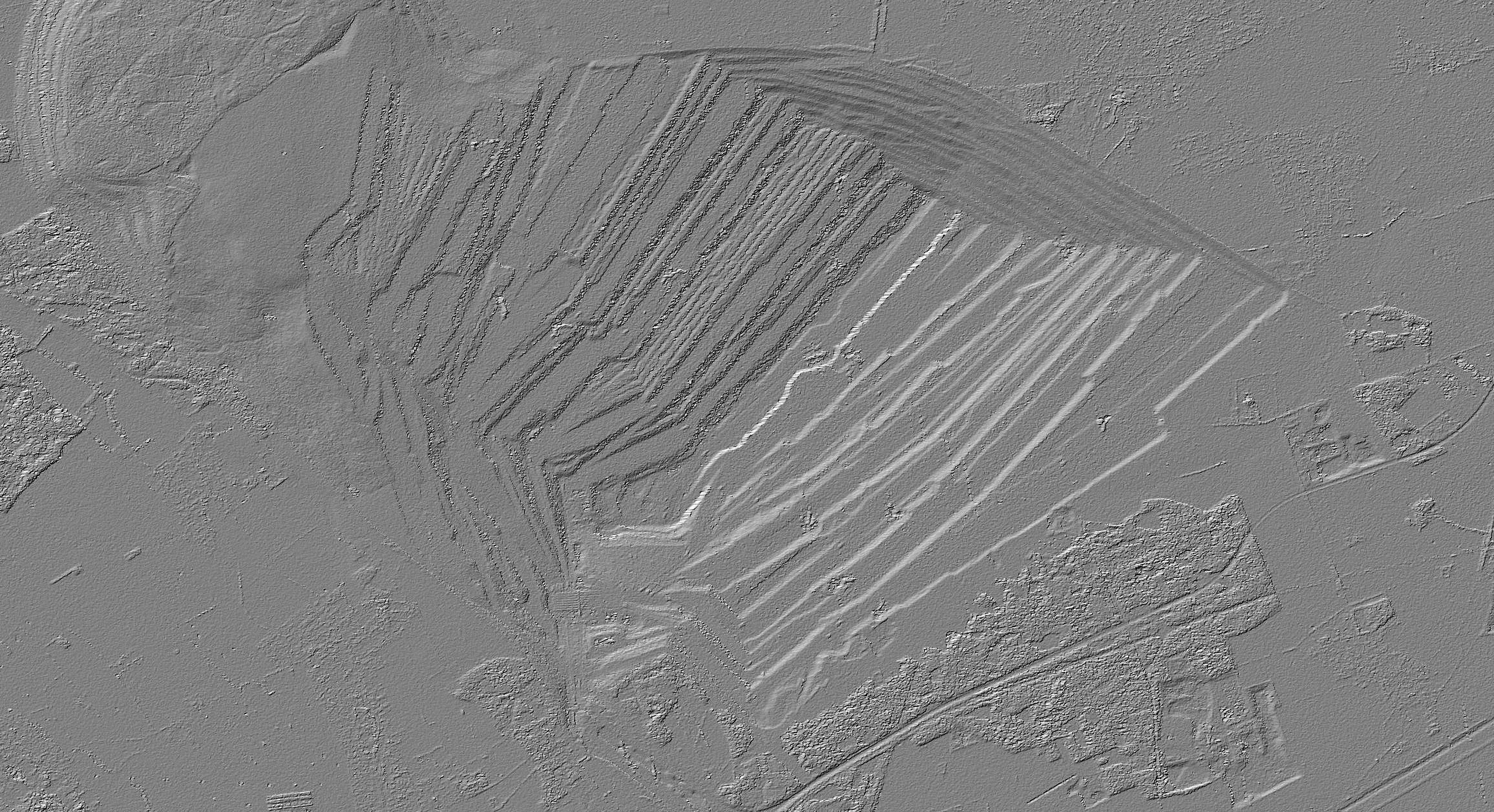
Copper mine in Chile​
[/table]​
 
DLR Blog: Traffic monitoring with the TerraSAR-X/TanDEM-X satellite constellation:
{...}

If the same area is imaged by TerraSAR-X and then by TanDEM-X shortly afterwards (or vice versa), the moving objects appear shifted from their true positions in both radar images. For example, in the illustration to the right, a vehicle or ship is depicted in different 'incorrect' positions in the two images, as it moved in the interval between the two satellite recordings and its true position changed. The displacement in the image depends on the speed of the target and how far apart the two satellites are.

The difference between the images can be measured with high precision and this means that the vehicle or ship’s actual position, its speed, direction and even its acceleration can be calculated accurately.

schiff_300.jpg

Preliminary results from the commissioning phase show that the speed estimation error was less than one kilometre per hour and the average position estimation error was about 20 metres. These figures are quite impressive; no other radar satellite system has ever achieved this accuracy, particularly without the use of a road database!

{...}
 
DLR: A step closer to mapping the Earth in 3D:
13 January 2012

[table=head]{colsp=2}
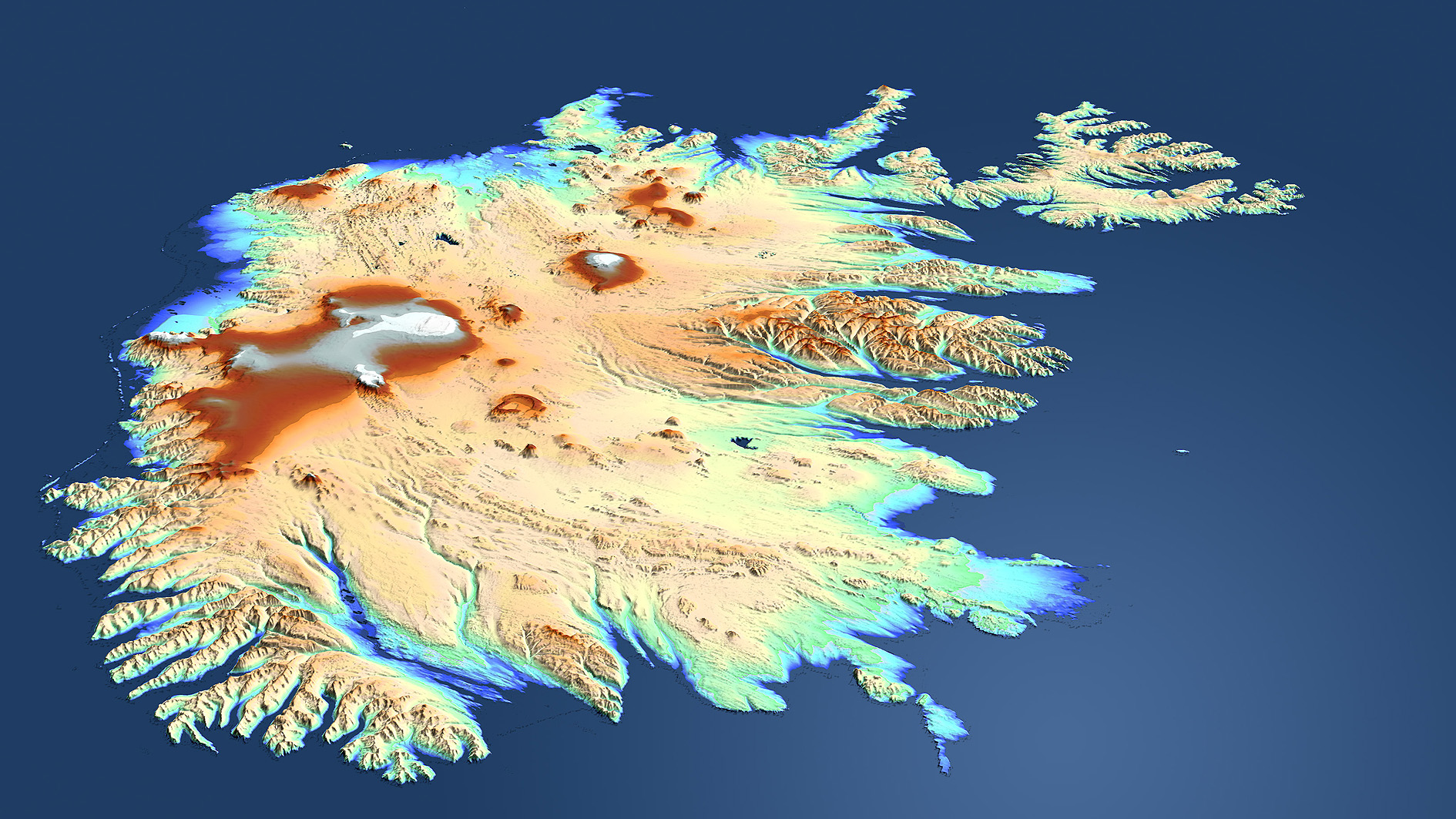
Click on images to enlarge​

|TanDEM-X has completely captured the Earth - strip by strip

|The first TanDEM-X mosaic of Iceland

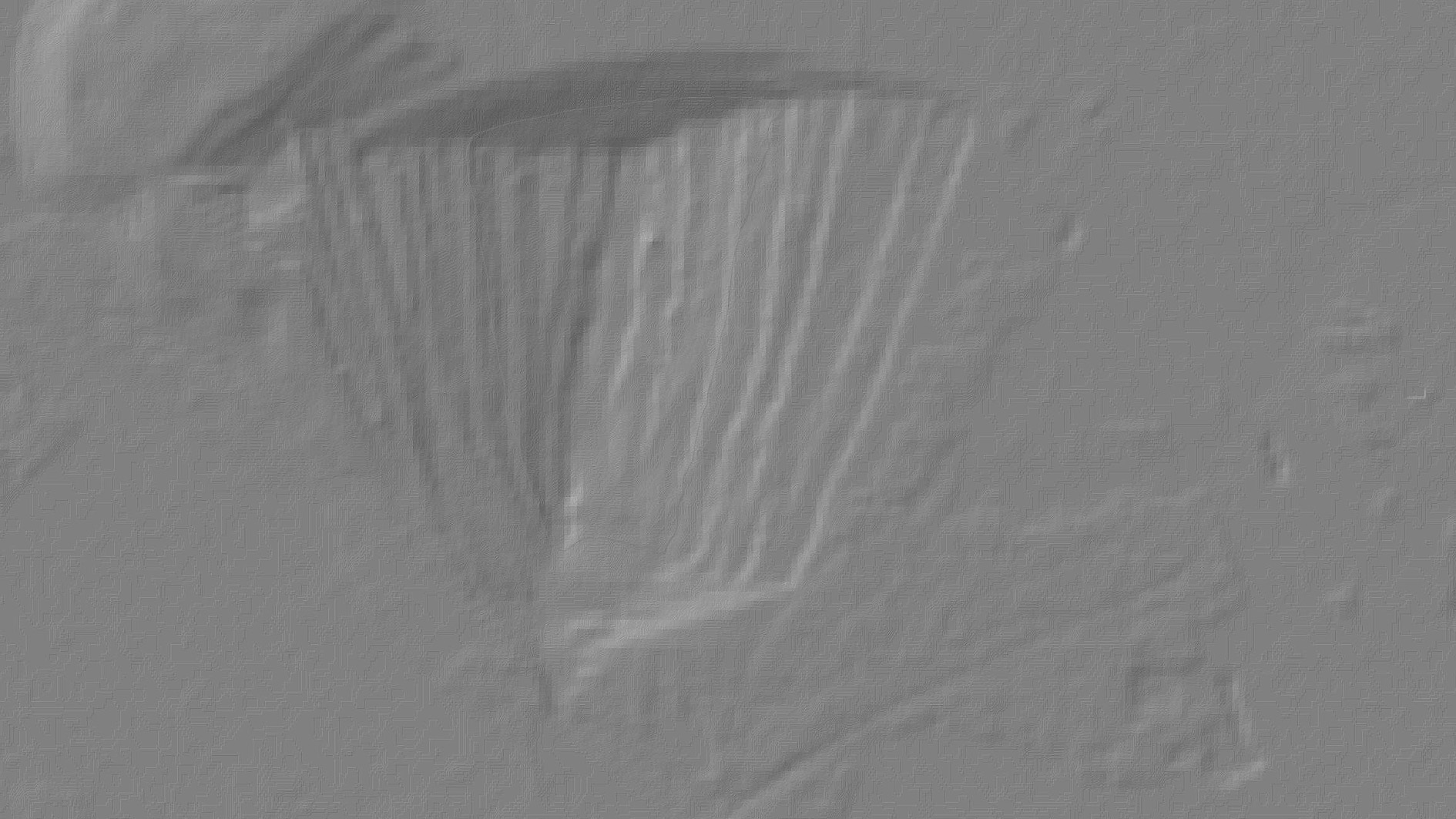
|SRTM image of opencast lignite mining in Jülich…

|… and a TanDEM-X image of the Jülich mine for comparison[/table]​


After a year in service, the German Earth observation satellite TanDEM-X, together with its twin satellite, TerraSAR-X, have completely mapped the entire land surface of Earth for the first time. The data is being used to create the world's first single-source, high-precision, 3D digital elevation model of Earth. The German Aerospace Center (Deutsches Zentrum für Luft- und Raumfahrt; DLR) controls both radar satellites, generates the elevation model and is responsible for the scientific use of TanDEM-X data.

The TanDEM-X mission – running like clockwork

It is reminiscent of ballet on ice; throughout the last year, Germany's radar satellites, TanDEM-X and TerraSAR-X, have been moving through space in close formation, at times just a few hundred metres apart. Strip by strip, they have recorded Earth from different angles and transmitted high-resolution radar data from their orbit at an altitude of 514 kilometres down to the three ground stations – Kiruna (Sweden), Inuvik (Canada) and O'Higgins (Antarctica). "The mission is running better than expected and there have been no unscheduled interruptions in the programmed formation flight of the two satellites. All safety mechanisms are functioning robustly and in a stable manner," enthuses Manfred Zink, project manager for the TanDEM-X ground segment at DLR. Over the course of 2011, the distance between the satellites was progressively reduced down to the minimum permitted value of 150 metres.

{...}
 
DLR: The future of radar – scientific benefits and potential of TerraSAR-X and TanDEM-X:
The German satellite duo TerraSAR-X and TanDEM-X have consistently delivered one-of-a-kind Earth observation data since 2007 and 2010, hence shaping the international research landscape. Now, scientific users from across the globe have gathered for the TerraSAR-X and TanDEM-X Science Meeting at the German Aerospace Center (Deutsches Zentrum für Luft- und Raumfahrt; DLR) in Oberpfaffenhofen, where they will discuss the results obtained from the data and define requirements for future remote sensing technology. Approximately 200 presentations between 17 and 20 October 2016 will describe state-of-the-art research, including insight from the areas of glaciology, hydrology, permafrost, sea ice, landslides, agriculture, forestry, volcanology, coastal and ocean research, geo-risks, and the methods applied to produce digital terrain models. Reporting live from the conference, the TanDEM-X Blog will present DLR talks from the Science Meeting and will outline how researchers around the world use data from the two radar satellites.

{...}
 
Back
Top