Hey guys,
its a bit of a mission to read, but maybe the idea is worth the effort:
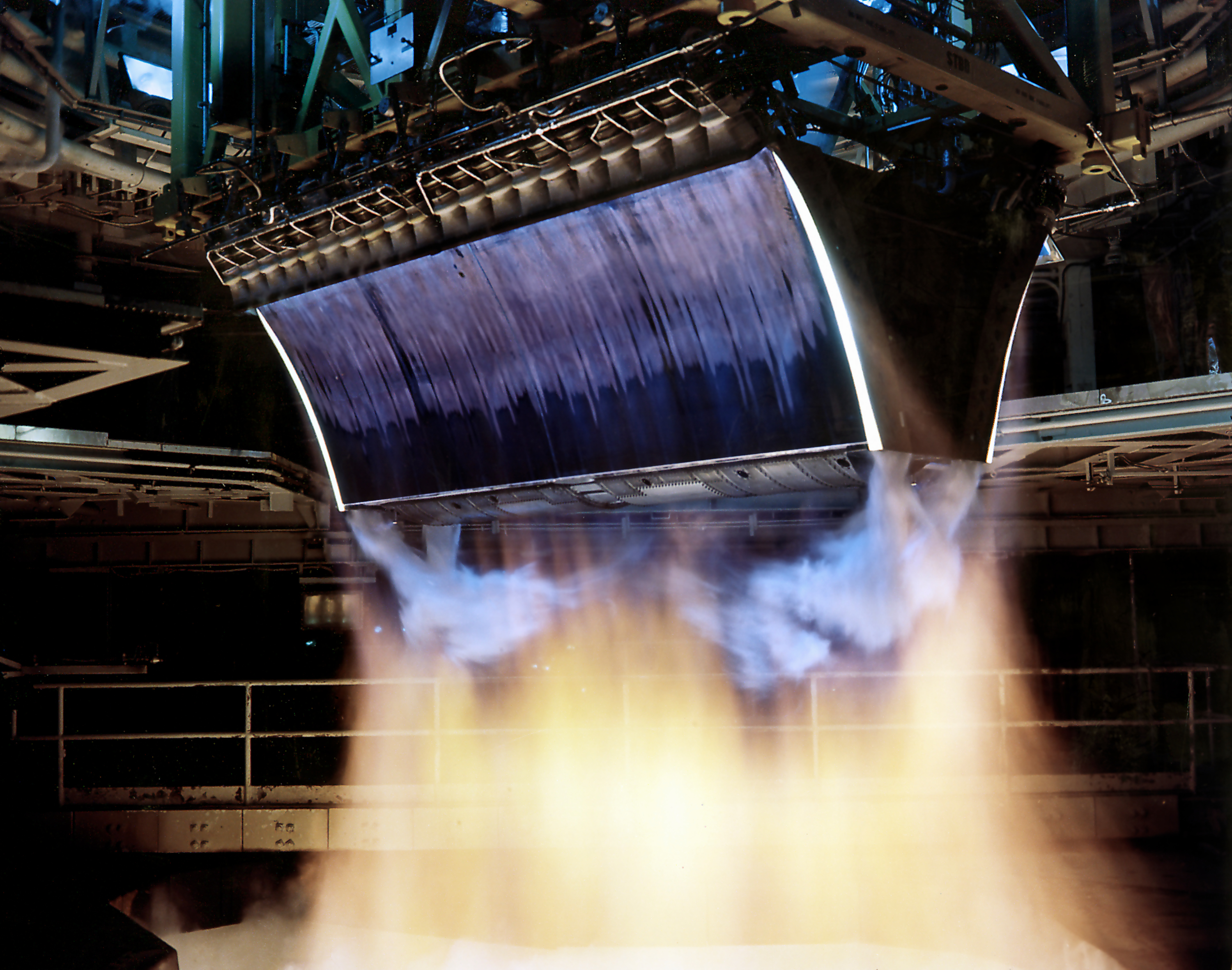
Rockets are great for getting us off the earth, lots and lots of thrust... but they use up HUGE amounts of fuel and fire for only a few minutes.
A star drive needs to be able to create large amounts of thrust, for little fuel, and then be able to slow down again once they reach another star.
I think I've solved the fuel problem.
The problem is once you use the fuel in the rocket, it all comes out of the back... the gas escaping causes forwards thrust. In space the gas just goes backwards forever, and the ship goes forwards. Once the gas is used, it's worthless, it just expands into the vacuum. but what if you could reuse the gas that youve already thrown out the back? You'd need less fuel.
But the question is, how do you capture the fuel again?
Every action has an equal and opposite reaction, capturing the gas going backwards would slow down the forwards momentum of the spaceship.
The solution? ... Dont capture it.
Use it to propell a second ship, in the OPPOSITE direction.
Once the fuel has been captured by the other ship, it will impart its backwards momentum (backwards from the point of view of the first ship) to the second ship, which happens to be the direction that the 2nd ship is travelling anyway. the fuel can then be reused by the 2nd ship to fire it back towards the first ship... in turn increasing its own forwards velocity. The reused fuel is then captured by the 1st ship, again increasing its own momentum, only to be reused by firing back towards the second ship. Rinse and repeat this process.
Replace gas from rockets with ball bearings fired from rail guns (to stop the gas dispersing in the vacuum) and you got yourself a star drive. Railguns, coil guns, cannons. Fuel, ball bearings, chickens. Anything, as long as its solid. A mass going backwards should propell the thing firing it forwards.
Now for the problems with this design. Each time the fuel is propelled backwards, it has further to go than the time before. It needs to reach the second ship, be somehow captured, and then fired back for the return journey. All the while both ships will be increasing their distance from one another. This will result in a drastic reduction in the amount of thrust delivered over time... it will steadily get weaker and weaker as fuel has to travel further and further. What may of started as a torrent will soon be down to a trickle. While the fuel would be effectively unlimited, the amount of thrust may not be sufficient to be utilised in a useful time frame.
The solution? Make first ship manned, and the second ship automated. Once the second ship is out of usable range, have it fire its fuel back towards the first ship and then leave it to make its own way through interstellar space. Abandoned, but not forgotten, it could carry useful scientific instruments and send data back to earth/the 1st ship.
Meanwhile, the first ship launches a THIRD ship and repeats the above process. It uses the fuel/ball bearings/chickens to accelerate forwards and at the same time send the third ship backwards, or in another direction, as long as the thrust from the third and any subsequent ships results in a net forwards motion.
In essense, make the 2nd and 3rd ships probes and the first a mother ship. Use the same fuel from the first ship to propell the probes to explore nearby stars while at the same time sending a manned colony ship or something similar to a star in the opposite direction. When it comes to slowing the mothership down again, repeat the probe process, but in the opposite direction.
Now all of the above will increase the mass of the first ship by a huge margin. But we can imagine that most of the mass to start off with will be fuel anyway and this fuel will be continuously reused. Constantly transfered between the mothership and her flotilla of probes heading in a cone behind her. I like to call it the Wilding Drive (Wilding being my name, vanity is one of my many flaws).
Am I on to a winner? Or are there physics at play here that I've totally overlooked? Is the mass of the launched probes going to cause problems with the mathematics involved? All comments/criticisms/cheques welcome. All I ask is you give me credit for the idea if it turns out to be useful and no-ones thought of it before.
Regards,
its a bit of a mission to read, but maybe the idea is worth the effort:
Rockets are great for getting us off the earth, lots and lots of thrust... but they use up HUGE amounts of fuel and fire for only a few minutes.
A star drive needs to be able to create large amounts of thrust, for little fuel, and then be able to slow down again once they reach another star.
I think I've solved the fuel problem.
The problem is once you use the fuel in the rocket, it all comes out of the back... the gas escaping causes forwards thrust. In space the gas just goes backwards forever, and the ship goes forwards. Once the gas is used, it's worthless, it just expands into the vacuum. but what if you could reuse the gas that youve already thrown out the back? You'd need less fuel.
But the question is, how do you capture the fuel again?
Every action has an equal and opposite reaction, capturing the gas going backwards would slow down the forwards momentum of the spaceship.
The solution? ... Dont capture it.
Use it to propell a second ship, in the OPPOSITE direction.
Once the fuel has been captured by the other ship, it will impart its backwards momentum (backwards from the point of view of the first ship) to the second ship, which happens to be the direction that the 2nd ship is travelling anyway. the fuel can then be reused by the 2nd ship to fire it back towards the first ship... in turn increasing its own forwards velocity. The reused fuel is then captured by the 1st ship, again increasing its own momentum, only to be reused by firing back towards the second ship. Rinse and repeat this process.
Replace gas from rockets with ball bearings fired from rail guns (to stop the gas dispersing in the vacuum) and you got yourself a star drive. Railguns, coil guns, cannons. Fuel, ball bearings, chickens. Anything, as long as its solid. A mass going backwards should propell the thing firing it forwards.
Now for the problems with this design. Each time the fuel is propelled backwards, it has further to go than the time before. It needs to reach the second ship, be somehow captured, and then fired back for the return journey. All the while both ships will be increasing their distance from one another. This will result in a drastic reduction in the amount of thrust delivered over time... it will steadily get weaker and weaker as fuel has to travel further and further. What may of started as a torrent will soon be down to a trickle. While the fuel would be effectively unlimited, the amount of thrust may not be sufficient to be utilised in a useful time frame.
The solution? Make first ship manned, and the second ship automated. Once the second ship is out of usable range, have it fire its fuel back towards the first ship and then leave it to make its own way through interstellar space. Abandoned, but not forgotten, it could carry useful scientific instruments and send data back to earth/the 1st ship.
Meanwhile, the first ship launches a THIRD ship and repeats the above process. It uses the fuel/ball bearings/chickens to accelerate forwards and at the same time send the third ship backwards, or in another direction, as long as the thrust from the third and any subsequent ships results in a net forwards motion.
In essense, make the 2nd and 3rd ships probes and the first a mother ship. Use the same fuel from the first ship to propell the probes to explore nearby stars while at the same time sending a manned colony ship or something similar to a star in the opposite direction. When it comes to slowing the mothership down again, repeat the probe process, but in the opposite direction.
Now all of the above will increase the mass of the first ship by a huge margin. But we can imagine that most of the mass to start off with will be fuel anyway and this fuel will be continuously reused. Constantly transfered between the mothership and her flotilla of probes heading in a cone behind her. I like to call it the Wilding Drive (Wilding being my name, vanity is one of my many flaws).
Am I on to a winner? Or are there physics at play here that I've totally overlooked? Is the mass of the launched probes going to cause problems with the mathematics involved? All comments/criticisms/cheques welcome. All I ask is you give me credit for the idea if it turns out to be useful and no-ones thought of it before.
Regards,