17 июня 1975 г. Суббота, 15 - е сутки полёта.
"...Земля нам сегодня сказала, что мы пролетели что - то около 9 миллионов километров. Много! Но это очень мало, если, например, летишь на Марс.
Пройдёт время, и кто - нибудь вот так же, как мы, пойдёт на космическом корабле к Марсу. Земля также с напряжением будет следить за полётом, помогать, управлять.
Но в полёте они будут одни, будут оторваны от Земли и медленно - медленно (сутки за сутками) с громадной, по земным понятиям, скоростью будут лететь к Марсу.
Мне, вероятно, уже не придётся участвовать в этом полёте. Состарюсь...Но...Вот бы потопать по Марсу!".(Виталий Севастьянов. "Дневник над облаками ").
..............................................................
Цит.по: СЕВАСТЬЯНОВ ВИТАЛИЙ ИВАНОВИЧ Дневник над облаками Библиотека "Огонек" № 37/1977 год
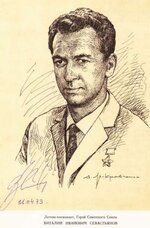
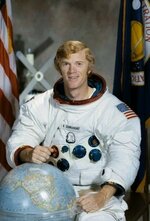
На фото: портрет космонавта Виталия Севастьянова с его автографом.
June 17, 1975
Saturday, the 15th day of the flight
"...Today, Earth informed us that we have traveled about 9 million kilometers. A lot! But it is very little if, for example, you are flying to Mars.
Time will pass, and someone, just like us, will set out on a spacecraft bound for Mars. Earth will follow the flight with the same tension and excitement, helping, guiding, and controlling it.
But during the journey they will be alone, separated from Earth, and day after day, moving at a tremendous speed by earthly standards, they will slowly make their way toward Mars.
I will probably never take part in such a flight. I will grow old...
But...
How wonderful it would be to walk on Mars!"
(Vitaly Sevastyanov, "Diary Above the Clouds")
Quoted from:
VITALY IVANOVICH SEVASTYANOV
Diary Above the Clouds
Series: Library of the Magazine "Ogonyok", No. 37, 1977.
In the photo: a portrait of cosmonaut Vitaly Sevastyanov with his autograph. 17 de junio de 1975
Sábado, 15.º día de vuelo
"...Hoy la Tierra nos comunicó que hemos recorrido unos 9 millones de kilómetros. ¡Mucho! Pero es muy poco si, por ejemplo, se vuela hacia Marte.
Pasará el tiempo, y alguien, igual que nosotros, partirá en una nave espacial rumbo a Marte. La Tierra seguirá ese vuelo con la misma tensión y emoción, ayudando, guiando y controlando la misión.
Pero durante el viaje estarán solos, separados de la Tierra, y día tras día, avanzando a una velocidad enorme según los criterios terrestres, se dirigirán lentamente hacia Marte.
Probablemente yo ya no podré participar en un vuelo así. Envejeceré...
Pero...
¡Qué maravilloso sería caminar sobre Marte!"
(Vitali Sevastiánov, "Diario sobre las nubes")
Citado de:
VITALI IVÁNOVICH SEVASTIÁNOV
Diario sobre las nubes
Serie: Biblioteca de la revista «Ogonyok», n.º 37, año 1977.
En la foto: un retrato del cosmonauta Vitaly Sevastyanov con su autógrafo.
ПО СТРАНИЦАМ СОВЕТСКОГО ЖУРНАЛА "ЗЕМЛЯ И ВСЕЛЕННАЯ". "Торжественно отмечается в пионерском лагере "Орлёнок" День космонавтики. В программе праздника "Мы рождены, чтоб сказку сделать былью", посвященного дню космонавтики, - беседы по астрономии и "прогулки по звёздному небу", встречи с учёными и космонавтами - гостями лагеря, диспуты, викторины, олимпиады, выставки картин художников-фантастов.
У обсерватории пионерского лагеря "Орлёнок" много друзей. Доктор технических наук И. В. Стражева поделилась с ребятами впечатлениями от личных встреч с космонавтами и конструкторами космических кораблей. С кандидатом физико-математических наук Л. М. Гиндилисом ребята обсуждали проблему существования внеземных цивилизаций и пути их поиска. О достижениях радиоастрономии рассказывал ребятам кандидат физико-математических наук А. М. Финкельштейн, об исследовании Солнца - кандидат физико-математических наук Э. В. Кононович. Гостями пионерского лагеря "Орлёнок" были доктор физико-математических наук Л. М. Мухин, доктор физико-математических наук А. М. Черепащук.
Много сил и энергии отдают пионерам сотрудники обсерватории пионерского лагеря "Орлёнок" - В. А. Костицын, Л. Н. Филиппова, Г. В. Орлова. Их знания, любовь к детям обеспечивают успешную деятельность обсерватории по пропаганде достижений астрономии, космонавтики и вовлечению школьников в любительскую астрономию". (Заведующий астрономической обсерваторией пионерского лагеря "Орлёнок" С. С. Войнов. "У самого Черного моря").
....................................................................
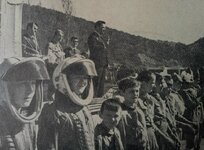
Примечание: на фотографии празднование Дня космонавтики в пионерском лагере "Орлёнок" в 1977 году. Выступает дважды Герой Советского Союза лётчик-космонавт СССР Г. М. Гречко. Фото В. Грязева.
.....................................................................
Цит.по: журнал "Земля и Вселенная"
Март, апрель 1982 год
Художественный редактор: Шимкина Л. Я.
Корректоры:Ермолаева В. А.,
Морозова Т. Н. Москва/ Издательство "Наука"/1982 год THROUGH THE PAGES OF THE SOVIET MAGAZINE "EARTH AND THE UNIVERSE"
"The Day of Cosmonautics is celebrated with great solemnity at the Orlyonok Pioneer Camp. The program of the celebration, entitled 'We Were Born to Make Fairy Tales Come True', dedicated to Cosmonautics Day, includes astronomy talks and 'journeys through the starry sky,' meetings with scientists and cosmonauts visiting the camp, debates, quizzes, competitions, and exhibitions of paintings by science-fiction artists.
The observatory of the Orlyonok Pioneer Camp has many friends. Doctor of Technical Sciences I. V. Strazheva shared with the children her impressions from personal meetings with cosmonauts and spacecraft designers. Together with Candidate of Physical and Mathematical Sciences L. M. Gindilis, the children discussed the problem of the existence of extraterrestrial civilizations and methods of searching for them. Candidate of Physical and Mathematical Sciences A. M. Finkelstein spoke to the children about the achievements of radio astronomy, while Candidate of Physical and Mathematical Sciences E. V. Kononovich talked about solar research. Guests of the Orlyonok Pioneer Camp also included Doctor of Physical and Mathematical Sciences L. M. Mukhin and Doctor of Physical and Mathematical Sciences A. M. Cherepashchuk.
The staff members of the Orlyonok Pioneer Camp Observatory — V. A. Kostitsyn, L. N. Filippova, and G. V. Orlova — devote much effort and energy to working with the young pioneers. Their knowledge and love for children ensure the successful work of the observatory in promoting the achievements of astronomy and cosmonautics and in involving schoolchildren in amateur astronomy."
(S. S. Voynov, Head of the Astronomical Observatory of the Orlyonok Pioneer Camp, "By the Black Sea")
Note: In the photograph, Cosmonautics Day is being celebrated at the Orlyonok Pioneer Camp in 1977. Speaking is twice Hero of the Soviet Union, pilot-cosmonaut of the USSR, G. M. Grechko. Photograph by V. Gryazev.
Quoted from the magazine "Earth and the Universe"
March–April 1982
Art Editor: L. Ya. Shimkina
Proofreaders: V. A. Yermolaeva, T. N. Morozova
Moscow, Publishing House "Nauka", 1982. A TRAVÉS DE LAS PÁGINAS DE LA REVISTA SOVIÉTICA "LA TIERRA Y EL UNIVERSO"
"El Día de la Cosmonáutica se celebra solemnemente en el campamento pionero Orlyonok. El programa de la festividad, titulado «Nacimos para hacer realidad los cuentos», dedicado al Día de la Cosmonáutica, incluye charlas de astronomía y «paseos por el cielo estrellado», encuentros con científicos y cosmonautas invitados al campamento, debates, concursos, olimpíadas y exposiciones de pinturas de artistas de ciencia ficción.
El observatorio del campamento pionero Orlyonok tiene muchos amigos. La doctora en ciencias técnicas I. V. Strazheva compartió con los niños sus impresiones de encuentros personales con cosmonautas y diseñadores de naves espaciales. Junto con el candidato en ciencias físico-matemáticas L. M. Gindilis, los niños debatieron el problema de la existencia de civilizaciones extraterrestres y los métodos para buscarlas. El candidato en ciencias físico-matemáticas A. M. Finkelstein habló a los niños sobre los logros de la radioastronomía, mientras que el candidato en ciencias físico-matemáticas E. V. Kononovich les explicó las investigaciones sobre el Sol. Entre los invitados del campamento pionero Orlyonok se encontraban también el doctor en ciencias físico-matemáticas L. M. Mujin y el doctor en ciencias físico-matemáticas A. M. Cherepashchuk.
Los empleados del observatorio del campamento pionero Orlyonok — V. A. Kostitsyn, L. N. Filíppova y G. V. Orlova — dedican gran parte de su esfuerzo y energía a trabajar con los pioneros. Sus conocimientos y su amor por los niños garantizan el éxito de las actividades del observatorio en la divulgación de los logros de la astronomía y la cosmonáutica, así como en la incorporación de los escolares a la astronomía amateur."
(S. S. Voinov, director del Observatorio Astronómico del campamento pionero Orlyonok, «Junto al mar Negro»)
Nota: En la fotografía se muestra la celebración del Día de la Cosmonáutica en el campamento pionero Orlyonok en 1977. Está interviniendo el dos veces Héroe de la Unión Soviética y cosmonauta soviético G. M. Grechko. Fotografía de V. Gryazev.
"Мне хочется поделиться мыслями своими со всеми, кто спрашивал о космонавтике, о том, как стать космонавтом.
«...Уже много лет я упорно стремлюсь к своей цели, настойчиво ищу пути к ней. Мне приходится трудно, но я все равно не отступлюсь. Мечта о полете в космос еще в детские годы завладела мной. Она с каждым годом все прочнее овладевает моим сердцем. Теперь я абсолютно уверен - это мое призвание».
Это слова из письма инженера Бойцова. Он подробно рассказывает, как готовится к полету в космос. Бойцов - моряк, работает на судах дальнего плавания, все свободное время посвящает тренировкам.
«Я знаю, - пишет он, - что в космосе нужны физически крепкие, выносливые люди. Поэтому я большое внимание уделяю физической подготовке и спорту. С детства стал закаляться, обливаюсь по утрам холодной водой или обтираюсь снегом. Сейчас я купаюсь в проруби в любые морозы, постоянно бегаю на десять, двадцать, а иногда и более километров».
Бойцов разработал программу своей подготовки. Она включает тренировку вестибулярного аппарата, тренировку на невесомость, перегрузку, управление своим телом, испытание в барокамере, на одиночество.
«Уже четыре года я плаваю на судах дальнего плавания, - сообщает он. - Ежегодно я беру летом отпуск, к которому прибавляются еще выходные и праздничные дни, проведенные в море, и приезжаю в Краснодар, в аэроклуб, где летаю и прыгаю с парашютом. Два года назад в соревнованиях по высшему пилотажу я выполнил норматив мастера спорта. В парашютном спорте выступаю по программе кандидатов в мастера».
«Хочу стать космонавтом», «Моя мечта - побывать в космосе» - эти слова встречаются во многих письмах, адресованных в Звездный городок, на почту летчиков-космонавтов СССР. Их пишут люди разных возрастов и разных профессий. В один день я получил письма от десятиклассника, студента медицинского института и инженера. Все они содержат один вопрос: «Как стать космонавтом?»
На первый взгляд, кажется, что нет ничего сложного ответить: одинаковый вопрос - одинаковый ответ. Но вопрос одинаковый, а люди-то разные.
Помню, несколько лет назад произошел такой случай. Ученик десятого класса из города Николаева прислал мне письмо с просьбой принять его в отряд космонавтов. Он писал, что учится отлично, что здоровье у него отменное и что имеет он около десятка разрядов по различным видам спорта.
Я ответил тогда, что ему надо сначала закончить среднюю школу, а после можно будет поговорить и о дальнейшей судьбе. Написал ему и, откровенно говоря, забыл о нем, так как почта велика, а просьб, подобных этой, тоже немало!
Прошло время. Сижу я однажды вечером дома, готовлюсь к занятиям. Заходит ко мне молодой человек и говорит: «Здравствуйте, я приехал!» - и показывает мое письмо ему. Сели мы, поговорили. Он рассказал, что успешно закончил школу и вот теперь может целиком посвятить себя космонавтике. Юноша произвел на меня хорошее впечатление своей увлеченностью, убежденностью.
Но когда я спросил его, как он представляет себе работу космонавта в полете, что он думает делать, находясь на борту космического корабля, то вразумительного ответа я не услышал. Оказывается, он еще не успел подумать об этом.
Эту историю я привожу для того, чтобы показать, что кроме крепкого здоровья человек, решивший стать космонавтом, должен обладать знаниями, быть специалистом в той или иной области и четко представлять себе космический полет, характер и объем работы. Без этого мечты о полете так и останутся мечтами".
(Герман Титов. "Голубая моя планета").
....................................................................
Цит.по: ГЕРМАН СТЕПАНОВИЧ ТИТОВ
ГОЛУБАЯ МОЯ ПЛАНЕТА
Редактор М. И. Ильин
Художник В. А. Шорц
Художественный редактор Т. А. Тихомирова
Технический редактор Л. С. Афанасьева
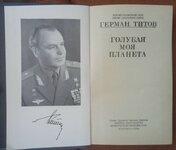
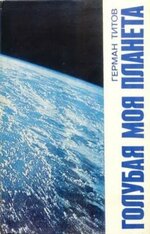
Корректор Н. М. Опрышко Москва/ Ордена Трудового Красного Знамени Военное издательство Министерства обороны СССР/ 1982 год. На фото титульный лист книги космонавта Германа Титова с его фотографией. "I would like to share my thoughts with everyone who has asked about cosmonautics and about how to become a cosmonaut.
'...For many years I have persistently pursued my goal, tirelessly searching for ways to achieve it. It is difficult for me, but I will not give up. The dream of flying into space captured me in childhood. With every passing year it has taken an even firmer hold on my heart. Now I am absolutely certain—it is my calling.'
These are the words from a letter written by engineer Boytsov. He describes in detail how he is preparing for a flight into space. Boytsov is a sailor, working on long-distance ships, and devotes all of his free time to training.
'I know,' he writes, 'that physically strong and resilient people are needed in space. Therefore, I pay great attention to physical training and sports. Since childhood I have hardened myself, pouring cold water over myself in the mornings or rubbing myself with snow. Now I swim in ice holes even during severe frosts and regularly run ten, twenty, or sometimes even more kilometers.'
Boytsov developed his own training program. It includes training of the vestibular system, adaptation to weightlessness, resistance to overloads, control of his body, tests in a pressure chamber, and training for isolation.
'For four years now I have been sailing on long-distance ships,' he reports. 'Every summer I take my vacation, adding to it weekends and holidays spent at sea, and travel to Krasnodar, to the flying club, where I fly aircraft and parachute. Two years ago, in an aerobatics competition, I fulfilled the requirements for the title of Master of Sport. In parachuting, I compete at the Candidate Master of Sport level.'
'I want to become a cosmonaut,' 'My dream is to travel into space'—these words appear in many letters addressed to Star City and to the mail of the cosmonauts of the USSR. They are written by people of different ages and professions. One day I received letters from a tenth-grade student, a medical institute student, and an engineer. All of them contained the same question: 'How can I become a cosmonaut?'
At first glance, it seems simple to answer: the same question should receive the same answer. But while the question is the same, the people asking it are different.
I remember an incident that occurred several years ago. A tenth-grade student from the city of Nikolaev sent me a letter asking to be accepted into the cosmonaut corps. He wrote that he was an excellent student, enjoyed excellent health, and had around ten sports classifications in various disciplines.
At that time, I replied that he should first finish secondary school, and only afterward could we discuss his future. I wrote back and, frankly speaking, forgot about him, because the mail was plentiful and there were many similar requests.
Time passed. One evening I was sitting at home preparing for classes. A young man entered and said, 'Hello, I've arrived!' Then he showed me the letter I had sent him. We sat down and talked. He told me that he had successfully finished school and could now devote himself entirely to cosmonautics. The young man made a good impression on me with his enthusiasm and determination.
But when I asked him how he imagined the work of a cosmonaut during a mission, what he thought he would actually do aboard a spacecraft, I received no clear answer. It turned out that he had not yet thought about it.
I tell this story to demonstrate that, in addition to good health, a person who decides to become a cosmonaut must possess knowledge, be a specialist in one field or another, and have a clear understanding of spaceflight, its nature, and the scope of the work involved. Without this, dreams of flying into space will remain only dreams."
(Herman Titov, My Blue Planet)
Quoted from:
HERMAN STEPANOVICH TITOV
My Blue Planet
Editor: M. I. Ilyin
Artist: V. A. Shorts
Art Editor: T. A. Tikhomirova
Technical Editor: L. S. Afanasyeva
Proofreader: N. M. Opryshko
Moscow, Military Publishing House of the Ministry of Defense of the USSR, 1982.
The photo shows the title page of the book by cosmonaut German Titov with his photograph. "Quisiera compartir mis pensamientos con todos aquellos que me han preguntado sobre la cosmonáutica y sobre cómo convertirse en cosmonauta.
'...Desde hace muchos años persigo obstinadamente mi objetivo y busco con perseverancia el camino hacia él. Me resulta difícil, pero no renunciaré. El sueño de volar al espacio se apoderó de mí cuando era niño. Con cada año que pasa domina aún más profundamente mi corazón. Ahora estoy absolutamente seguro: es mi vocación.'
Estas son las palabras de una carta escrita por el ingeniero Boytsov. En ella relata detalladamente cómo se prepara para un vuelo espacial. Boytsov es marino, trabaja en barcos de larga navegación y dedica todo su tiempo libre al entrenamiento.
'Sé', escribe, 'que en el espacio se necesitan personas físicamente fuertes y resistentes. Por eso presto mucha atención a la preparación física y al deporte. Desde niño me he endurecido físicamente, vertiéndome agua fría por las mañanas o frotándome con nieve. Ahora me baño en agujeros abiertos en el hielo incluso durante las heladas más intensas y corro regularmente diez, veinte y a veces más kilómetros.'
Boytsov elaboró su propio programa de preparación. Incluye el entrenamiento del aparato vestibular, la adaptación a la ingravidez, la resistencia a las sobrecargas, el control del propio cuerpo, pruebas en una cámara de presión y entrenamiento para la soledad.
'Hace ya cuatro años que navego en barcos de larga travesía', informa. 'Cada verano tomo mis vacaciones, a las que añado los fines de semana y festivos pasados en el mar, y viajo a Krasnodar, al aeroclub, donde vuelo aviones y salto en paracaídas. Hace dos años cumplí la norma para obtener el título de Maestro del Deporte en una competición de acrobacia aérea. En paracaidismo compito en la categoría de Candidato a Maestro del Deporte.'
'Quiero ser cosmonauta', 'Mi sueño es viajar al espacio'... Estas palabras aparecen en muchas cartas dirigidas a la Ciudad de las Estrellas y al correo de los cosmonautas de la URSS. Las escriben personas de diferentes edades y profesiones. Un día recibí cartas de un estudiante de décimo grado, de un estudiante de medicina y de un ingeniero. Todas contenían la misma pregunta: '¿Cómo puedo convertirme en cosmonauta?'
A primera vista parece sencillo responder: la misma pregunta merece la misma respuesta. Pero aunque la pregunta sea la misma, las personas son diferentes.
Recuerdo un caso ocurrido hace varios años. Un estudiante de décimo grado de la ciudad de Nikolaev me envió una carta pidiéndome que lo aceptara en el cuerpo de cosmonautas. Escribía que estudiaba excelentemente, que gozaba de una salud magnífica y que poseía alrededor de diez categorías deportivas en diferentes disciplinas.
Entonces le respondí que primero debía terminar la escuela secundaria y que después podríamos hablar de su futuro. Le escribí y, francamente, me olvidé de él, porque recibía mucho correo y había muchas solicitudes parecidas.
Pasó el tiempo. Una noche estaba sentado en casa preparándome para unas clases cuando entró un joven y me dijo: '¡Hola, he llegado!' Luego me mostró la carta que yo le había enviado. Nos sentamos a conversar. Me contó que había terminado con éxito la escuela y que ahora podía dedicarse por completo a la cosmonáutica. Me causó una muy buena impresión por su entusiasmo y convicción.
Pero cuando le pregunté cómo imaginaba el trabajo de un cosmonauta durante un vuelo espacial, qué creía que haría a bordo de una nave espacial, no obtuve una respuesta clara. Resultó que ni siquiera lo había pensado.
Cuento esta historia para demostrar que, además de gozar de buena salud, una persona que decide convertirse en cosmonauta debe poseer conocimientos, ser especialista en algún campo y comprender claramente el vuelo espacial, su naturaleza y el volumen de trabajo que implica. Sin ello, los sueños de volar al espacio seguirán siendo solo sueños."
(Herman Titov, Mi planeta azul)
Citado de:
HERMAN STEPÁNOVICH TITOV
Mi planeta azul
Editor: M. I. Ilyin
Ilustrador: V. A. Shorts
Editora artística: T. A. Tijomírova
Editor técnico: L. S. Afanásieva
Correctora: N. M. Opryshko
Moscú, Editorial Militar del Ministerio de Defensa de la URSS, 1982.
La foto muestra la portada del libro del cosmonauta German Titov con su fotografía.
"Наша планета мала, она песчинка по сравнению со звёздами, галактиками. Но человек, который живёт на этой песчинке, способен мыслить, и его мысль шагнула далеко за пределы Земли, перешла невидимые барьеры своей Галактики, проникла в другие галактики, нашла их, дала им названия. Пройдут годы, и люди, несомненно, достигнут других планет и, возможно, других миров. И ответ на важнейшие вопросы развития мироздания - есть ли жизнь где-либо, кроме нашей планеты, не занимает ли человек Земли в этом смысле исключительного положения, происходят ли во Вселенной неизвестные нам процессы превращения энергии и массы - лежит на путях освоения космического пространства". (Павел Попович. "Бесконечные дороги Вселенной"). .................................................................
Цит.по: НА ДОРОГАХ ВСЕЛЕННОЙ
СБОРНИК
Составитель: Архангельская Наталия Владимировна
Редактор: О. В. Крекотень
Художественное оформление:
Кононова А. В.
Художественный редактор: С. П. Савицкий
Технический редактор: Л. И. Ильченко
Корректоры: В. П. Иванченко,
О. С. Зинченко. На фото космонавт Павел Попович. "Our planet is small; it is but a grain of sand compared with the stars and galaxies. Yet the human being who lives on this grain of sand is capable of thought, and human thought has already stepped far beyond the limits of Earth. It has crossed the invisible boundaries of our Galaxy, penetrated into other galaxies, discovered them, and given them names.
Years will pass, and people will undoubtedly reach other planets and perhaps other worlds. The answers to the most important questions about the development of the Universe — whether life exists anywhere beyond our planet, whether humanity occupies a unique position in this respect, and whether there are processes of transformation of energy and matter in the Universe that are still unknown to us — lie along the path of space exploration."
(Pavel Popovich, "The Endless Roads of the Universe")
Quoted from:
ON THE ROADS OF THE UNIVERSE
Collected Volume
Compiler: Natalia Vladimirovna Arkhangelskaya
Editor: O. V. Krekoten
Design: A. V. Kononova
Art Editor: S. P. Savitsky
Technical Editor: L. I. Ilchenko
Proofreaders: V. P. Ivanchenko, O. S. Zinchenko
Photo: Cosmonaut Pavel Popovich. "Nuestro planeta es pequeño; es un grano de arena en comparación con las estrellas y las galaxias. Pero el ser humano que vive en ese grano de arena es capaz de pensar, y su pensamiento ha ido mucho más allá de los límites de la Tierra. Ha cruzado las barreras invisibles de nuestra Galaxia, ha penetrado en otras galaxias, las ha descubierto y les ha dado nombres.
Pasarán los años y, sin duda, los seres humanos llegarán a otros planetas y quizá a otros mundos. Las respuestas a las cuestiones más importantes sobre la evolución del Universo —si existe vida en algún lugar aparte de nuestro planeta, si el ser humano ocupa en este sentido una posición excepcional y si en el Universo tienen lugar procesos de transformación de energía y materia que todavía desconocemos— se encuentran en el camino de la exploración del espacio cósmico."
(Pável Popóvich, "Los caminos infinitos del Universo")
"...А может, космос и есть тот самый смертельно опасный порог, переступив который не останется ничего другого, как только... стать оптимистами?! Вооружиться главной и в итоге единственной человеческой силой - силой духа?
Оптимизм рождается вначале от незнания опасностей, подстерегающих впереди. А о чем же мы так мало знаем еще, как не о космосе? И что более дерзновенно, чем наше вступление в него?
Когда Земля подбросила своей большой ладонью горошину ракеты, а та вдруг не вернулась тотчас, сраженная тяготением, но сама по себе описала круг, - в этом наряду с напряжением, наукой, работой был и элемент дерзости древних мореходов. Всего того, чем красна жизнь. Что вносит в наше существование радостный дух исканий. Ведь человек с одинаковой одержимостью стремится и к вершинам, и к безднам - ко всему, что кажется недостижимым.
Не надо забывать, что, когда произошел первый прорыв человека за пределы земного тяготения, мир был моложе на десять лет, и на многие вещи мы смотрели по-иному. Через полвека людям будет еще труднее вообразить поступок Гагарина во всей его психологической сложности.
Ведь те из нас, что проживут это грядущее пятидесятилетие, будут уже отличаться сами от себя, сегодняшних, настолько же, как и мы, родившиеся до телевидения, непохожи на тех, кем стали нынче, когда смотрим на дому футбольный матч из другого полушария. И вообще узнаем о великом событии не после его совершения, а в ту самую минуту, становясь участниками и сопереживателями.
В убыстрившемся мире каждый день происходят перевороты, технические и научные, хотя случается это неосязаемо и невидимо.
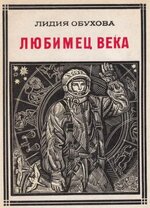
Но космос, даже самый ближний, наша орбитальная околица, еще очень долго не будет обжит! Он по-прежнему станет притягивать мечты не одного поколения землян и останется заманчивой целью, а не просто службой и профессией".(Лидия Обухова. "Любимец века (Гагарин)"; глава "Зарубка на истории человечества").
..................................................................
Цит.по: ОБУХОВА ЛИДИЯ АЛЕКСЕЕВНА
ЛЮБИМЕЦ ВЕКА (ГАГАРИН)
Для детей среднего и старшего школьного возраста
Редактор: Людмила Лузянина
Художественный редактор: Виктор Плешко
Технический редактор: Галина Каплан
Корректоры: Галина Василева, Карина Пипикова
Москва/ Издательство "Молодая гвардия"/ 1972 год
На фото обложка книги "Любимец века". "...And perhaps space is that very deadly threshold which, once crossed, leaves us with no other choice than to become... optimists? To arm ourselves with the principal and, in the end, the only truly human strength — the strength of spirit?
Optimism is born first from ignorance of the dangers that lie ahead. And what do we know so little about, if not space? And what could be more daring than our entry into it?
When Earth tossed a tiny pea-like rocket from the palm of her great hand, and it did not immediately fall back, struck down by gravity, but instead traced a circle on its own — there was, along with tension, science, and hard work, an element of the boldness of the ancient seafarers. All those things that make life beautiful. All that brings into our existence the joyful spirit of exploration. For mankind pursues heights and abysses with equal passion — everything that seems unattainable.
We must not forget that when humanity first broke beyond the limits of Earth's gravity, the world was ten years younger, and we looked at many things differently. Fifty years from now, it will be even harder for people to imagine Yuri Gagarin's act in all its psychological complexity.
Those of us who live through that coming half-century will differ from our present selves just as much as we, born before television, differ from who we have become today, when we can watch a football match from the other side of the globe without leaving home. We no longer learn about great events after they have happened, but at the very moment they unfold, becoming participants and witnesses ourselves.
In this accelerating world, revolutions — technical and scientific — occur every day, though often imperceptibly and invisibly.
But space, even the nearest space, our orbital neighborhood, will remain unexplored for a very long time. It will continue to attract the dreams of more than one generation of Earth’s inhabitants and will remain a fascinating goal, not merely a job or a profession."
(Lidiya Obukhova, "The Favorite of the Century (Gagarin)"; chapter "A Mark on the History of Humanity")
Quoted from:
LIDIYA ALEKSEEVNA OBUKHOVA
The Favorite of the Century (Gagarin)
For middle and senior school-age readers
Editor: Lyudmila Luzyanina
Art Editor: Viktor Pleshko
Technical Editor: Galina Kaplan
Proofreaders: Galina Vasileva, Karina Pipikova
Moscow, Molodaya Gvardiya Publishing House, 1972.
Photo: Cover of the book The Favorite of the Century. "...¿Y si el espacio es precisamente ese umbral mortal que, una vez cruzado, no nos deja otra opción que convertirnos en... optimistas? ¿Armarse con la principal y, al final, la única fuerza verdaderamente humana: la fuerza del espíritu?
El optimismo nace primero de la ignorancia de los peligros que nos esperan por delante. ¿Y de qué sabemos tan poco todavía como del espacio? ¿Y qué hay más audaz que nuestra entrada en él?
Cuando la Tierra lanzó desde la palma de su gran mano el pequeño guisante de un cohete, y este no regresó de inmediato, abatido por la gravedad, sino que trazó un círculo por sí mismo, en ello había, junto con la tensión, la ciencia y el trabajo, un elemento de la audacia de los antiguos navegantes. Todo aquello que da belleza a la vida. Todo aquello que aporta a nuestra existencia el alegre espíritu de la búsqueda. Porque el ser humano persigue con la misma pasión las alturas y los abismos, todo aquello que parece inalcanzable.
No debemos olvidar que cuando se produjo la primera incursión del ser humano más allá de los límites de la gravedad terrestre, el mundo era diez años más joven y contemplábamos muchas cosas de otra manera. Dentro de cincuenta años, a las personas les resultará aún más difícil imaginar la hazaña de Yuri Gagarin en toda su complejidad psicológica.
Quienes de nosotros vivan ese próximo medio siglo serán tan distintos de nosotros mismos como nosotros, nacidos antes de la televisión, somos distintos de quienes somos hoy, cuando vemos desde casa un partido de fútbol que se juega en el otro hemisferio del planeta. Y, en general, ya no nos enteramos de los grandes acontecimientos después de que ocurren, sino en el mismo instante en que suceden, convirtiéndonos en participantes y testigos.
En este mundo acelerado, cada día tienen lugar revoluciones técnicas y científicas, aunque a menudo ocurran de forma imperceptible e invisible.
Pero el espacio, incluso el más cercano, nuestro vecindario orbital, seguirá siendo durante mucho tiempo un territorio sin conquistar. Continuará atrayendo los sueños de más de una generación de habitantes de la Tierra y seguirá siendo una meta fascinante, no simplemente un trabajo o una profesión."
(Lidia Obújova, "El favorito del siglo (Gagarin)"; capítulo "Una marca en la historia de la humanidad")
"Человек не будет следовать формальной логике «машинного мозга», если она противоречит здравому смыслу. А с машиной такое случается довольно часто. Но самое важное, что отличает человека от машины, - это его способность разумно и творчески действовать в непредвиденных, незапрограммированных ситуациях; способность, отчасти основанная на работе никем еще не смоделированного подсознания, на интуиции.
Академик А. Н. Колмогоров сказал об этом так: в сознании человека «аппарат формального мышления не занимает центрального положения». Между простейшими рефлексами и формальной логикой человека (а машина может функционировать только на основе формальной логики) простирается огромная, еще не исследованная область подсознания.
Взвесив все «за» и «против» и убедившись, что человека невозможно исключить из системы управления, пришли к выводу, что проблему «человек или машина?» лучше всего сформулировать так: «человек и машина». Бывшие противники объединились и занялись поиском способов повышения действенности человеческого звена в системе «человек - машина», направив свое внимание на разумное распределение функций между ними, стараясь наиболее рационально распределить обязанности между автоматами и человеком, найти оптимальный вариант их сочетания.
Возможности автоматических устройств в исследовании космического пространства огромны. Это ярко продемонстрировали советские межпланетные автоматические станции «Венера», осуществившие плавный спуск в атмосфере далекой планеты и выполнившие большой комплекс уникальных научных исследований. Эти эксперименты еще раз подтвердили, что для исследования малоизученных условий автоматические аппараты необходимы. Недаром на один полет человека приходятся десятки полетов автоматических аппаратов.
Однако какими бы огромными ни были возможности спутников и автоматических станций, они не могут заменить творческих возможностей человека. Автомат не в состоянии исследовать то, что принципиально неизвестно. Лишь человек в процессе исследований может анализировать полученные результаты, принимать правильные решения в непредвиденных обстоятельствах, в полной мере использовать открывающиеся возможности изучения окружающего нас мира. Вместе с тем совершенно очевидно, что до тех пор, пока не будет обеспечена полная гарантия безопасности полета человека в космос, автоматы останутся основным средством космических исследований". (Герман Титов. "Голубая моя планета"; глава "Мечты сбываются").
...................................................................
Цит.по: ГЕРМАН СТЕПАНОВИЧ ТИТОВ
ГОЛУБАЯ МОЯ ПЛАНЕТА
Редактор М. И. Ильин
Художник В. А. Шорц
Художественный редактор Т. А. Тихомирова
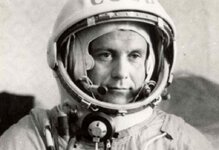
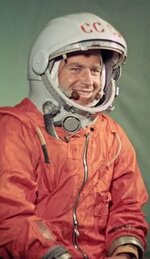
Технический редактор Л. С. Афанасьева Корректор Н. М. Опрышко На фото: Обложка книги "Голубая моя планета; космонавт Герман Титов в скафандре. A human being will not follow the formal logic of a “machine brain” if it contradicts common sense. And such contradictions occur with machines quite often. But the most important thing that distinguishes a human from a machine is the ability to act intelligently and creatively in unforeseen, unprogrammed situations — an ability based in part on the workings of the subconscious, which has not yet been modeled by anyone, and on intuition. Academician expressed this idea as follows: in human consciousness, “the apparatus of formal thinking does not occupy a central position.” Between the simplest reflexes and human formal logic (while a machine can function only on the basis of formal logic) lies a vast, still unexplored realm of the subconscious.
After weighing all the arguments for and against and becoming convinced that a human being cannot be excluded from the control system, researchers came to the conclusion that the problem “human or machine?” is best formulated as “human and machine.” Former opponents joined forces and began searching for ways to increase the effectiveness of the human element within the “human–machine” system. Their attention turned toward the reasonable distribution of functions between them, striving to assign responsibilities as rationally as possible between automated systems and humans and to find the optimal combination of both.
The capabilities of automated devices in the exploration of outer space are enormous. This was vividly demonstrated by the Soviet interplanetary automatic stations , which successfully descended through the atmosphere of a distant planet and carried out a large number of unique scientific investigations. These experiments once again confirmed that automatic spacecraft are indispensable for exploring poorly understood environments. It is no coincidence that dozens of automated missions are launched for every human spaceflight.
However, no matter how great the capabilities of satellites and automatic probes may be, they cannot replace the creative abilities of human beings. An automatic device is incapable of investigating what is fundamentally unknown. Only a human, in the course of research, can analyze the results obtained, make correct decisions under unforeseen circumstances, and fully exploit the opportunities for studying the world around us. At the same time, it is perfectly clear that until complete safety of human spaceflight is guaranteed, automated systems will remain the primary means of space exploration.
(German Titov, “My Blue Planet”; chapter “Dreams Come True”)
Quoted from:
GERMAN STEPANOVICH TITOV
My Blue Planet
Editor: M. I. Ilyin
Artist: V. A. Shorts
Art Editor: T. A. Tikhomirova
Technical Editor: L. S. Afanasyeva
Proofreader: N. M. Opryshko
Photo: Cover of the book My Blue Planet; cosmonaut German Titov in a spacesuit. "El ser humano no seguirá la lógica formal del «cerebro electrónico» si esta contradice el sentido común. Y eso le ocurre a una máquina con bastante frecuencia. Pero lo más importante que distingue al ser humano de la máquina es su capacidad de actuar de manera razonable y creativa en situaciones imprevistas, no programadas; una capacidad basada, en parte, en el funcionamiento de ese subconsciente que nadie ha conseguido modelar todavía y en la intuición.
El académico A. N. Kolmogórov lo expresó de esta manera: en la conciencia humana, «el aparato del pensamiento formal no ocupa una posición central». Entre los reflejos más simples y la lógica formal del ser humano (mientras que una máquina solo puede funcionar sobre la base de la lógica formal) se extiende una inmensa región aún inexplorada: el subconsciente.
Después de sopesar todos los argumentos a favor y en contra y convencerse de que el ser humano no podía ser excluido del sistema de control, se llegó a la conclusión de que el problema «¿hombre o máquina?» debía formularse mejor como «hombre y máquina». Los antiguos adversarios unieron sus esfuerzos y comenzaron a buscar métodos para aumentar la eficacia del elemento humano dentro del sistema «hombre-máquina», centrando su atención en una distribución racional de las funciones entre ambos. Procuraron repartir de la manera más adecuada las tareas entre los dispositivos automáticos y la persona, buscando la combinación óptima de ambos.
Las posibilidades de los dispositivos automáticos para la exploración del espacio cósmico son enormes. Esto quedó brillantemente demostrado por las estaciones automáticas interplanetarias soviéticas «Venera», que realizaron un descenso suave en la atmósfera de un planeta lejano y llevaron a cabo un amplio conjunto de investigaciones científicas únicas. Estos experimentos confirmaron una vez más que, para estudiar condiciones poco conocidas, los aparatos automáticos son indispensables. No es casualidad que por cada vuelo tripulado se realicen decenas de vuelos de sondas automáticas.
Sin embargo, por enormes que sean las capacidades de los satélites y de las estaciones automáticas, no pueden sustituir las capacidades creativas del ser humano. Un autómata no es capaz de investigar aquello que es fundamentalmente desconocido. Solo una persona, en el proceso de investigación, puede analizar los resultados obtenidos, tomar decisiones correctas en circunstancias imprevistas y aprovechar plenamente las oportunidades que se abren para el estudio del mundo que nos rodea. Al mismo tiempo, es absolutamente evidente que, mientras no se garantice por completo la seguridad de los vuelos tripulados al espacio, los dispositivos automáticos seguirán siendo el principal medio de exploración espacial."
(Herman Titov, "Mi planeta azul"; capítulo "Los sueños se hacen realidad").
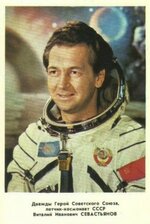
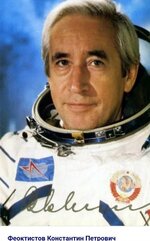
"Сделаем наудачу несколько "моментальных" портретов космонавтов, знакомых нам. Общительный человек, умный собеседник, Виталий Севастьянов известен каждому телезрителю как ведущий передачи "Человек, Земля, Вселенная". Севастьянов относится к космосу очень серьезно, "мировоззренчески", его увлекают истоки космических идей и долговременные космические прогнозы. Константин Феоктистов - талантливый учёный, инженер, зримо видящий в своём воображении, да и в своих расчетах, большие города на орбитах и манипуляции сложных роботов на поверхности далёких планет.
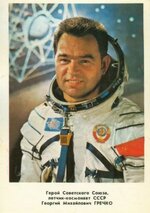
Георгий Гречко - тот самый, который фотографировал в иллюминатор частицы от внешней оболочки станции, а потом показывал друзьям как "летающие тарелки". Его общительность и улыбчивость - казалось бы, самые обычные свойства - настолько безбрежны, что кажутся недосягаемыми.
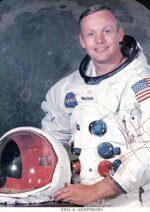
Нейл Армстронг - хладнокровный и точный в любой трудной ситуации. Это он посадил лунный модуль на поверхность нашего естественного спутника, в доли секунды проскочив неожиданно возникший маленький кратер с крутыми склонами. Армстронга в шутку называют "человеком - компьютером". Поразительно его внешнее сходство с Гагариным. Армстронг прост и скромен.
Рассел Швейкарт - американский астронавт, летал в "Аполлоне - 9", выходил в открытый космос, а затем участвовал в полёте одного из "Шаттлов". Он и Алексей Леонов встречались в Москве с детьми, которые "назначили" их членами международной экспедиции на Марс. Разуверять детей, что оба они уже "отлетали свое", как не раз признавались они в кругу взрослых,космонавты не стали.
Этот перечень портретов можно было бы продолжить, и они составили бы прекрасную галерею, в которой каждый почти нашёл бы и себя самого - в каких-то чертах характера, настроениях, мыслях".(Ю. Школенко. "Космический век"; глава 9. "Высокая граница личности").
..................................................................
Цит.по:
Школенко Юрий Андреевич
Космический век
Москва. Издательство «Молодая гвардия» 1986 г. Тираж 100 000
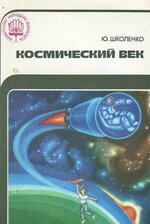
На фотографиях: Верхний ряд: слева - обложка книги "Космический век" с рисунком художника В.Неволина; справа - фото космонавта Виталия Севастьянова. Нижний ряд: слева - фото космонавта Константина Феоктистова; справа - фото космонавта Георгия Гречко. Третий ряд: слева - фото астронавта Нейла Армстронга; справа - фото астронавта Рассела Швейкарта. "Let us, for the sake of illustration, create several brief 'instant portraits' of cosmonauts familiar to us.
An outgoing person and an intelligent conversationalist, Vitaly Sevastyanov is known to every television viewer as the host of the program 'Man, Earth, Universe'. Sevastyanov approaches space with great seriousness, from a broad philosophical perspective. He is fascinated by the origins of space-related ideas and by long-term forecasts about humanity's future in space.
Konstantin Feoktistov is a gifted scientist and engineer, capable of vividly envisioning in his imagination—and in his calculations as well—vast cities in orbit and the operations of complex robots on the surfaces of distant planets.
Georgy Grechko is the very cosmonaut who once photographed particles peeling off the outer shell of a space station through a porthole and later jokingly showed the pictures to friends as 'flying saucers'. His sociability and cheerful smile—seemingly ordinary qualities—are so boundless that they appear unattainable.
Neil Armstrong is calm and precise in any difficult situation. It was he who landed the lunar module on the surface of our natural satellite, skimming past an unexpectedly appearing small crater with steep slopes in a fraction of a second. Armstrong is jokingly called 'the human computer'. His physical resemblance to Yuri Gagarin is astonishing. Armstrong is simple and modest.
Russell Schweickart, the American astronaut who flew aboard Apollo 9, performed a spacewalk, and later participated in one of the Space Shuttle missions. Together with Alexei Leonov, he met with children in Moscow who had 'appointed' them members of an international expedition to Mars. The cosmonauts did not try to convince the children that both of them had already completed their flying careers, as they themselves often admitted among adults.
This gallery of portraits could easily be continued, and together they would form a remarkable collection in which almost everyone might recognize something of themselves—in certain character traits, moods, or thoughts."
(Yu. Shkolenko, The Space Age, Chapter 9: "The High Frontier of Personality")
In the photographs:
Top row: left — the cover of The Space Age with artwork by V. Nevolin; right — a photograph of cosmonaut Vitaly Sevastyanov.
Second row: left — a photograph of cosmonaut Konstantin Feoktistov; right — a photograph of cosmonaut Georgy Grechko. Third row: left — a photograph of astronaut Neil Armstrong; right — a photograph of astronaut Russell Schweickart.
"Hagamos, por así decirlo, varios 'retratos instantáneos' de cosmonautas que conocemos.
Vitali Sevastiánov, una persona sociable y un interlocutor brillante, es conocido por todos los televidentes como presentador del programa 'El Hombre, la Tierra y el Universo'. Sevastiánov se relaciona con el cosmos de una manera muy seria, desde una perspectiva filosófica y de visión del mundo. Le apasionan los orígenes de las ideas espaciales y las previsiones a largo plazo sobre el futuro de la exploración cósmica.
Konstantín Feoktístov es un científico e ingeniero talentoso que puede visualizar claramente, tanto en su imaginación como en sus cálculos, enormes ciudades en órbita y las operaciones de complejos robots sobre la superficie de planetas lejanos.
Guéorgui Grechko es el mismo cosmonauta que fotografió por la ventanilla partículas desprendidas del revestimiento exterior de una estación espacial y luego mostró las imágenes a sus amigos como si fueran 'platillos voladores'. Su sociabilidad y su sonrisa permanente, cualidades aparentemente comunes, son tan inmensas que parecen inalcanzables.
Neil Armstrong es sereno y preciso en cualquier situación difícil. Fue él quien aterrizó el módulo lunar sobre la superficie de nuestro satélite natural, esquivando en una fracción de segundo un pequeño cráter de pronunciadas pendientes que apareció inesperadamente en su trayectoria. En broma, a Armstrong lo llaman 'el hombre-computadora'. Resulta sorprendente su parecido físico con Yuri Gagarin. Armstrong es sencillo y modesto.
Russell Schweickart, astronauta estadounidense, voló en el Apollo 9, realizó una caminata espacial y posteriormente participó en una misión del transbordador espacial. Junto con Alexéi Leónov se reunió en Moscú con unos niños que los habían 'nombrado' miembros de una expedición internacional a Marte. Los cosmonautas no quisieron desilusionar a los pequeños explicándoles que ambos ya habían completado su carrera espacial, como ellos mismos reconocían con frecuencia en conversaciones entre adultos.
Esta serie de retratos podría continuar, formando una magnífica galería en la que casi cualquier persona encontraría algo de sí misma: ciertos rasgos de carácter, estados de ánimo o pensamientos."
(Yu. Shkolenko, La Era Espacial, Capítulo 9: "La Alta Frontera de la Personalidad")
En las fotografías:
Fila superior: a la izquierda, la portada del libro La Era Espacial con ilustración de V. Nevolin; a la derecha, fotografía del cosmonauta Vitali Sevastiánov.
Segunda fila: a la izquierda, fotografía del cosmonauta Konstantín Feoktístov; a la derecha, fotografía del cosmonauta Guéorgui Grechko. Tercera fila: a la izquierda, fotografía del astronauta Neil Armstrong; a la derecha, fotografía del astronauta Russell Schweickart.
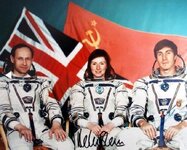
18 мая 1991 года подданная Великобритании Хелен Патрисия Шармен в составе девятой экспедиции совершила космический полёт на орбитальную станцию «Мир» на космическом корабле «Союз ТМ-12» вместе с Анатолием Арцебарским и Сергеем Крикалёвым. А. Арцебарский и С. Крикалёв, как экипаж 9-й основной экспедиции на Орбитальную Станцию «Мир», заменили экипаж 8-й основной экспедиции (В. Афанасьев — М. Манаров). Британская женщина-космонавт Шармен провела на станции одну неделю. Её полёт был спонсирован частной британской компанией. Шармен осуществила на орбите биологические и химические эксперименты, а также провела для английских школ серию уроков.
Программа девятой основной экспедиции состояла из экспериментов по астрономии, биологии, химии, наблюдению Земли, космической технике, материаловедению и медицине. Помимо этого космонавты провели профилактические работы и заменили многие приборы. Во время работ в открытом космосе произведён ремонт антенны системы автоматического сближения «Курс» на модуле «Квант», смонтирована складывающаяся решетчатая мачта из нового никель-титанового сплава, предназначенная для установки дополнительного прибора управления на модуле «Квант».
За шесть выходов в открытый космос космонавты провели вне станции в общей сложности 32 ч 23 мин. Сергей Крикалёв пробыл на орбите на шесть месяцев дольше первоначально запланированного срока, так как две последующие миссии на «Мир» сокращены по финансовым причинам и позволяли заменить на орбите только одного члена основного экипажа. Провиант и расходные материалы доставлялись транспортными кораблями «Прогресс М-8» и «М-9».
На фото слева направо: Анатолий Арцебарский, Хелен Шармен, Сергей Крикалев. On May 18, 1991, British citizen Helen Patricia Sharman took part in a spaceflight as a member of the ninth expedition, traveling to the orbital station Mir aboard the spacecraft Soyuz TM-12 together with Anatoly Artsebarsky and Sergey Krikalev. A. Artsebarsky and S. Krikalev, as the crew of the 9th principal expedition to the Mir Orbital Station, replaced the crew of the 8th principal expedition (V. Afanasyev and M. Manarov). British cosmonaut Helen Sharman spent one week aboard the station. Her flight was sponsored by a private British company. While in orbit, Sharman conducted biological and chemical experiments and also delivered a series of lessons for schools in the United Kingdom.
The program of the 9th principal expedition included experiments in astronomy, biology, chemistry, Earth observation, space engineering, materials science, and medicine. In addition, the cosmonauts carried out maintenance work and replaced numerous instruments. During spacewalks, they repaired the antenna of the Kurs automatic rendezvous system on the Kvant module and installed a collapsible lattice mast made of a new nickel-titanium alloy. The mast was intended for mounting an additional control instrument on the Kvant module.
Over the course of six spacewalks, the cosmonauts spent a total of 32 hours and 23 minutes outside the station. Sergey Krikalev remained in orbit six months longer than originally planned because the next two missions to Mir were reduced for financial reasons and allowed the replacement of only one member of the main crew. Food supplies and consumable materials were delivered by the cargo spacecraft Progress M-8 and Progress M-9. In the photograph, from left to right: Anatoly Artsebarsky, Helen Sharman, and Sergey Krikalev. El 18 de mayo de 1991, la ciudadana británica Helen Patricia Sharman realizó un vuelo espacial como integrante de la novena expedición a la estación orbital Mir, a bordo de la nave espacial Soyuz TM-12, junto con Anatoli Artsebarski y Serguéi Krikaliov. A. Artsebarski y S. Krikaliov, como tripulación de la 9.ª expedición principal a la estación orbital Mir, sustituyeron a la tripulación de la 8.ª expedición principal (V. Afanásiev y M. Manárov). La cosmonauta británica Helen Sharman permaneció una semana en la estación. Su vuelo fue patrocinado por una empresa privada británica. Durante su estancia en órbita, Sharman realizó experimentos biológicos y químicos, además de impartir una serie de lecciones para escuelas del Reino Unido.
El programa de la 9.ª expedición principal incluyó experimentos de astronomía, biología, química, observación de la Tierra, ingeniería espacial, ciencia de materiales y medicina. Además, los cosmonautas llevaron a cabo trabajos de mantenimiento y sustituyeron numerosos instrumentos. Durante las actividades extravehiculares, repararon la antena del sistema automático de acoplamiento Kurs en el módulo Kvant e instalaron un mástil reticular plegable fabricado con una nueva aleación de níquel y titanio. Este mástil estaba destinado a la instalación de un instrumento de control adicional en el módulo Kvant.
A lo largo de seis salidas al espacio abierto, los cosmonautas pasaron un total de 32 horas y 23 minutos fuera de la estación. Serguéi Krikaliov permaneció en órbita seis meses más de lo previsto inicialmente, ya que las dos misiones siguientes a Mir fueron reducidas por motivos financieros y permitían sustituir únicamente a un miembro de la tripulación principal. Los víveres y materiales consumibles fueron suministrados por las naves de carga Progress M-8 y Progress M-9. En la fotografía, de izquierda a derecha: Anatoli Artsebarski, Helen Sharman y Serguéi Krikaliov.
This site uses cookies to help personalise content, tailor your experience and to keep you logged in if you register.
By continuing to use this site, you are consenting to our use of cookies.