Discussion History of Soviet cosmonautics

«Посёлок» — фантастический роман советского писателя Кира Булычёва. Входит в цикл «Павлыш». В 1980 году первая часть в виде повести «Перевал» публиковалась в журнале «Знание — сила»; в 1988 году роман вышел полностью.
По мотивам первой части «Перевал» в 1988 году был снят мультипликационный фильм «Перевал», также были созданы 2 комикса. По мотивам второй части «За перевалом» был снят одноимённый веб-сериал.
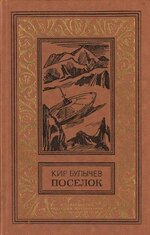
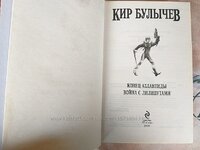
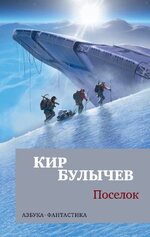
На фото обложка книги "Поселок" .
1

СПб.: Азбука,
1

М.: Азбука-Аттикус, 2019 г. (по факту вышла в ноябре 2018 г.)
Серия: Азбука-фантастика (мягк. обл.)
Тираж: 3000 экз. + 11000 экз. (доп.тираж)
ISBN: 978-5-389-15690-6
Тип обложки: мягкая
Формат: 75x100/32 (120x185 мм)
Страниц: 416
Иллюстрация на обложке Владимира Гусакова.
Описание:
Роман из цикла о докторе Павлыше.

На космическом корабле «Полюс» происходит взрыв реактора, экипажу приходится посадить корабль на перевал в горах на необитаемой планете. Радиация и сильный мороз вынуждают людей покинуть корабль. Из 76 человек страшный поход выдерживают 40. Спустившись с гор к лесу, они основывают посёлок.

“The Settlement” is a science fiction novel by Soviet writer Kir Bulychev. It is part of the Pavlysh Cycle. In 1980, the first part, published as the novella “The Pass”, appeared in the magazine Znanie — Sila (“Knowledge is Power”); in 1988, the novel was published in full.
Based on the first part, “The Pass”, an animated film of the same name was released in 1988, and two comic books were also created. Based on the second part, “Beyond the Pass”, a web series with the same title was produced.
The photo shows the cover of the book “The Settlement”.
Saint Petersburg: Azbuka; Moscow: Azbuka-Atticus, 2019 (actually published in November 2018)
Series: Azbuka-Fantasy (paperback)
Print run: 3,000 copies + 11,000 copies (additional printing)
ISBN: 978-5-389-15690-6
Binding: paperback
Format: 75×100/32 (120×185 mm)
Pages: 416
Cover illustration by Vladimir Gusakov.
Description:
A novel from the cycle about Doctor Pavlysh.
On the spacecraft “Polyus”, a reactor explosion occurs, forcing the crew to land the ship on a mountain pass on an uninhabited planet. Radiation and extreme cold compel the survivors to abandon the ship. Of the 76 people on board, only 40 survive the harsh journey. Descending from the mountains to the forest, they establish a settlement.

«El poblado» es una novela de ciencia ficción del escritor soviético Kir Bulychov. Forma parte del ciclo de Pavlysh. En 1980, la primera parte, publicada como la novela corta «El paso», apareció en la revista Znanie — Sila («Conocimiento es fuerza»); en 1988 la novela fue publicada íntegramente.
Basándose en la primera parte, «El paso», en 1988 se realizó una película de animación del mismo nombre, y también se crearon dos cómics. A partir de la segunda parte, «Más allá del paso», se produjo una serie web homónima.
En la foto se muestra la portada del libro «El poblado».
San Petersburgo: Azbuka; Moscú: Azbuka-Atticus, 2019 (en realidad publicada en noviembre de 2018)
Serie: Azbuka-Fantasía (tapa blanda)
Tirada: 3.000 ejemplares + 11.000 (reimpresión)
ISBN: 978-5-389-15690-6
Tipo de encuadernación: tapa blanda
Formato: 75×100/32 (120×185 mm)
Páginas: 416
Ilustración de la portada por Vladímir Gusakov.
Descripción:
Novela del ciclo sobre el doctor Pavlysh.

En la nave espacial «Polyus» se produce una explosión del reactor, lo que obliga a la tripulación a aterrizar en un paso de montaña en un planeta deshabitado. La radiación y el frío extremo obligan a las personas a abandonar la nave. De los 76 tripulantes, solo 40 sobreviven a la dura travesía. Al descender de las montañas hacia el bosque, fundan un poblado.
236728.jpg
 
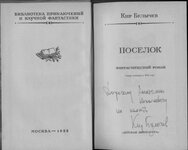
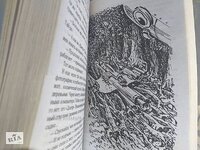
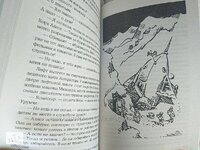
Обложка и некоторые иллюстрации первого издания книги "Поселок. На одной из страниц автограф писателя.
01

М.: Детская литература
, 1988 г.
Серия: Библиотека приключений и научной фантастики (Детлит)
Тираж: 300000 экз.
ISBN: 5-08-000928-4
Тип обложки: твёрдая
Формат: 84x104/32 (125x200 мм)
Страниц: 334
Описание:
Роман из цикла о докторе Павлыше.

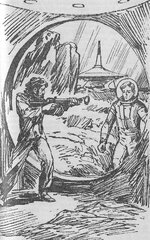
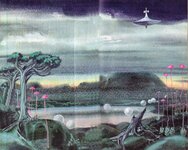
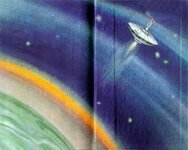
Иллюстрация на обложке и внутренние иллюстрации В. Руденко.
Содержание:
Кир Булычев. Поселок (роман), стр. 5-333
Примечание:
Подписано в печать 12. 07. 1988. Заказ 7372.

В 1993 году было выпущено издание со схожей, но не идентичной обложкой.

Cover and some illustrations from the first edition of "The Village." One of the pages features the author's signature.
Moscow: Children's Literature, 1988
Series: Library of Adventures and Science Fiction (Detlit)
Circulation: 300,000 copies
ISBN: 5-08-000928-4
Cover type: hardback
Format: 84x104/32 (125x200 mm)
Pages: 334
Description:
A novel from the Doctor Pavlysh series.
Cover illustration and interior illustrations by V. Rudenko.
Contents:
Kir Bulychev. The Village (novel), pp. 5-333
Note:
Signed for publication July 12, 1988. Ordered 7372.

In 1993, an edition was released with a similar, but not identical, cover.

Portada e ilustraciones de la primera edición de «La Aldea». Una de las páginas incluye la firma del autor.
Moscú: Literatura Infantil, 1988
Serie: Biblioteca de Aventuras y Ciencia Ficción (Detlit)
Tirada: 300.000 ejemplares
ISBN: 5-08-000928-4
Tapa dura
Formato: 84 x 104 x 32 pulgadas (125 x 200 mm)
Páginas: 334
Descripción:
Novela de la serie del Doctor Pavlysh.
Ilustración de la portada e ilustraciones interiores de V. Rudenko.
Contenido:
Kir Bulychev. La Aldea (novela), págs. 5-333
Nota:
Firmado para su publicación el 12 de julio de 1988. Número de pedido: 7372.

En 1993 se publicó una edición con una portada similar, aunque no idéntica.

5882_28.jpg
5882_27.jpg
5882_18.jpg5882_25.jpg
5882_26.jpg
 
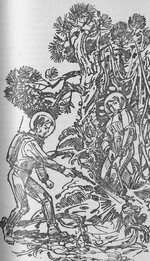
Иллюстрация художника В.Руденко к книге К. Булычева "Поселок".
СССР. Москва. Издательство "Детская литература", 1988 г.
Серия: Библиотека приключений и научной фантастики (Детлит)
Illustration by artist V. Rudenko for K. Bulychev's book "The Village."

USSR. Moscow. Children's Literature Publishing House, 1988.
Series: Library of Adventures and Science Fiction (Detlit)
Ilustración del artista V. Rudenko para el libro «La aldea» de K. Bulychev.

URSS. Moscú. Editorial de Literatura Infantil, 1988.
Serie: Biblioteca de Aventuras y Ciencia Ficción (Detlit)
5882_1.jpg
 
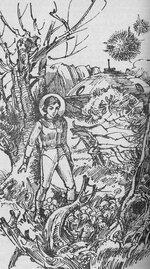
Иллюстрация художника В.Руденко к книге К. Булычева "Поселок".
СССР. Москва. Издательство "Детская литература", 1988 г.
Серия: Библиотека приключений и научной фантастики (Детлит)
Illustration by artist V. Rudenko for K. Bulychev's book "The Village."

USSR. Moscow. Children's Literature Publishing House, 1988.
Series: Library of Adventures and Science Fiction (Detlit)
Ilustración del artista V. Rudenko para el libro «La aldea» de K. Bulychev.

URSS. Moscú. Editorial de Literatura Infantil, 1988.
Serie: Biblioteca de Aventuras y Ciencia Ficción (Detlit)
5882_2.jpg
 
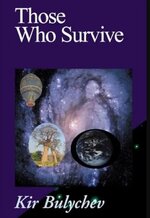
Издание книги "Поселок" на английском языке.
Kir Bulychev

Those Who Survive

Язык издания: английский
Bloomington (IN): Xlibris, Fossicker Press, 2000 г.
ISBN: 0-7388-1560-8, 978-0-7388-1560-2
Тип обложки: твёрдая
Страниц: 384
Содержание: Kir Bulychev. Those Who Survive (роман, перевод J. Costello)
English edition of the book "The Village."

Kir Bulychev
Those Who Survive
Language: English
Bloomington (IN): Xlibris, Fossicker Press, 2000
ISBN: 0-7388-1560-8, 978-0-7388-1560-2
Cover type: Hardcover
Pages: 384

Contents: Kir Bulychev. Those Who Survive (novel, translated by J. Costello)
Edición en inglés del libro «La Aldea».

Kir Bulychev
Los que sobreviven
Idioma: Inglés
Bloomington (IN): Xlibris, Fossicker Press, 2000
ISBN: 0-7388-1560-8, 978-0-7388-1560-2
Tapa dura
Páginas: 384

Contenido: Kir Bulychev. Los que sobreviven (novela, traducida por J. Costello)
https://archive.org/details/thosewhosurvive0000buly/mode/2up

Clipboard_05-03-2026_01.jpg
 
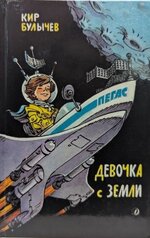
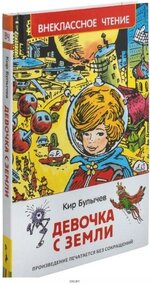
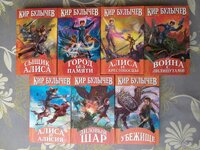
"Приключе́ния Али́сы" — серия книг Кира Булычёва в жанре фантастики для детей, подростков и взрослых, описывающих приключения Алисы Селезнёвой. Книги писались автором на протяжении нескольких десятилетий, начиная с 1965 года (повесть «Девочка, с которой ничего не случится») и заканчивая 2003 годомАлиса и Алисия»).
Действие происходит в научно-фантастическом будущем конца XXI века. Главной героиней является Алиса Селезнёва, «девочка с Земли», дочь профессора биологии и директора зоопарка КосмоЗоо Игоря Селезнёва. Каждая из повестей посвящена какому-либо отдельному её приключению в космосе, на Земле, в прошлом или даже в сказочном мире. Ряд книг был экранизирован.
Приключения Алисы происходят в футуристическом мире, отчасти действующем по законам космической оперы: сверхсветовые корабли, видеофоны, роботы, инопланетяне и путешествия во времени являются обычным делом. Земля будущего описывается как технически развитая, с полной автоматизацией производства. Роботы выполняют за людей домашние дела и опасную работу.
На уровне общественной морали земляне в «Приключениях Алисы» значительно опережают людей XX века: они заботятся о природе и чистоте окружающей среды, не воюют, стыдятся лжи и значительно проще в общении. Население Земли — пять миллиардов человек («Сто лет тому вперёд», «Лиловый шар»). В мире будущего образованные люди знают множество языков, однако для общения с инопланетянами используется «космолингва» («галактический язык»). За порядком следят инспекторы и «космический патруль», упоминается «Галактический союз», который координирует борьбу с космическими пиратами.

Космос «Приключений Алисы» густо населён разумными цивилизациями, находящимися на различных ступенях развития (только на одной конференции космозоологов собрались представители с 342 миров). Точный их перечень не сообщается, оставляя автору и читателю полную свободу фантазии. Чаще всего фигурируют брастаки, фиксианцы, ушаны и чумарозцы (все они живут на планетах с атмосферой, близкой к земной). Марс также заселён, причём, кроме колонистов с Земли, имеет и коренное население. Осуществляется грандиозный проект по переводу Венеры на более дальнюю от Солнца орбиту с целью её последующего заселения («Путешествие Алисы»).

Хотя Солнечная система полностью колонизирована и безопасна, дальний космос «Приключений» полон загадок и опасностей, таких, как артефакты и базы исчезнувшей расы Странников. В первых повестях о космических путешествиях Алисы Галактика была относительно безопасным местом: космические пираты считались уничтоженными, не было упоминаний о каких-либо воинственных или подчёркнуто антигуманных планетах или государствах. В более поздних произведениях в космосе продолжают активно действовать космические пираты и работорговцы, упоминаются целые планеты, находящиеся под властью жестоких тиранов. В противовес им существует ИнтерГпол, возглавляемый комиссаром Милодаром.

Одним из важных факторов в книгах является изобретённая землянами машина времени, позволяющая перемещаться в прошлое и даже незначительно воздействовать на него. Так, сотрудниками Института Времени были скопированы книги из Александрийской библиотеки и второй том «Мёртвых Душ» Гоголя. Кроме того, с помощью путешествий во времени было открыто, что между ледниковыми периодами существовала Эпоха Сказок (Эпоха Легенд). В эту эпоху на Земле реально существовали персонажи детских сказок, такие как драконы, волшебники и великаны. Часть приключений Алисы происходит именно в ходе путешествий в Эпоху Сказок, придавая циклу оттенок фэнтези.

Вселенную Алисы в прессе и в сообществах часто иносказательно называют «Прекрасное далёко», по названию песни из сериала «Гостья из будущего». В книгах эта вселенная особого названия не имеет. В литературоведческих текстах иногда используется термин
«алисиана».

На фото: обложки книг о приключениях Алисы Селезневой.
“The Adventures of Alisa” is a series of science fiction books by Kir Bulychev for children, teenagers, and adults, describing the adventures of Alisa Selezneva. The books were written over several decades, beginning in 1965 with the novella “The Girl with Nothing to Happen to Her” and ending in 2003 with “Alisa and Alicia.”

The events take place in a science-fictional future at the end of the 21st century. The main character is Alisa Selezneva, a “girl from Earth,” the daughter of Professor Igor Seleznev, a biologist and director of the CosmoZoo. Each story is devoted to one of her adventures—in space, on Earth, in the past, or even in a fairy-tale world. A number of the books have been adapted for the screen.
Alisa’s adventures unfold in a futuristic world that partly follows the conventions of space opera: faster-than-light spacecraft, videophones, robots, aliens, and time travel are commonplace. The Earth of the future is depicted as technologically advanced, with fully automated production. Robots perform household tasks and dangerous work for humans.
In terms of social morality, people on Earth in these stories are far ahead of those of the 20th century: they care for nature and environmental cleanliness, do not wage wars, feel ashamed of lying, and are much more open and easy in communication. The population of Earth is five billion people. In this future world, educated individuals know many languages, but communication with aliens is carried out through a “cosmolingua” (a “galactic language”). Order is maintained by inspectors and a “space patrol,” and a “Galactic Union” is mentioned as coordinating the fight against space pirates.
The universe of these stories is densely populated with intelligent civilizations at different stages of development. At one conference of space zoologists alone, representatives from 342 worlds were present. Their exact number is not specified, leaving full freedom for imagination. Frequently mentioned are the Brastaks, Fixians, Ushans, and Chumarozans, all living on planets with atmospheres similar to Earth’s. Mars is also inhabited, including both colonists from Earth and a native population. A grand project is underway to move Venus into a more distant orbit from the Sun for future colonization.
Although the Solar System is fully colonized and safe, deep space is full of mysteries and dangers, such as artifacts and bases of the vanished race known as the Wanderers. In the early stories, the Galaxy appears relatively safe: space pirates were believed to have been eliminated, and there were no mentions of aggressive or openly inhumane planets or states. In later works, however, space pirates and slave traders are active again, and entire planets under the rule of cruel tyrants are described. Opposing them is InterGpol, led by Commissioner Milodar.
An important element in the books is the time machine invented on Earth, which allows travel into the past and even slight influence on it. Using it, researchers from the Institute of Time copied books from the Library of Alexandria and the second volume of “Dead Souls” by Gogol. It was also discovered that between the ice ages there existed an Age of Legends, when fairy-tale characters such as dragons, wizards, and giants truly lived on Earth. Some of Alisa’s adventures take place during journeys to this era, adding a fantasy dimension to the series.
In media and fan communities, this universe is often figuratively called “The Beautiful Far Away,” after a song from the TV series “Guest from the Future.” The books themselves do not give it a specific name. In literary studies, the term “Alisiana” is sometimes used.

In the photo: covers of books about the adventures of Alisa Selezneva.
«Las aventuras de Alisa» es una serie de libros de ciencia ficción de Kir Bulychov dirigida a niños, adolescentes y adultos, que narran las aventuras de Alisa Seliózneva. Las obras fueron escritas a lo largo de varias décadas, comenzando en 1965 con la novela corta «La niña a la que no le pasaba nada» y finalizando en 2003 con «Alisa y Alicia».

La acción se desarrolla en un futuro de ciencia ficción a finales del siglo XXI. La protagonista es Alisa Seliózneva, una «niña de la Tierra», hija del profesor de biología y director del CosmoZoo, Ígor Selióznev. Cada relato está dedicado a una de sus aventuras: en el espacio, en la Tierra, en el pasado o incluso en un mundo de cuentos. Varias de las obras han sido adaptadas al cine y la televisión.
Las aventuras de Alisa transcurren en un mundo futurista que, en parte, sigue las convenciones de la space opera: naves más rápidas que la luz, videoteléfonos, robots, extraterrestres y viajes en el tiempo son algo cotidiano. La Tierra del futuro se presenta como tecnológicamente avanzada, con una producción completamente automatizada. Los robots realizan las tareas domésticas y los trabajos peligrosos.
En el plano moral, los habitantes de la Tierra están muy por delante de las personas del siglo XX: cuidan la naturaleza y el medio ambiente, no libran guerras, sienten vergüenza por la mentira y son más abiertos y sencillos en la comunicación. La población de la Tierra es de cinco mil millones de personas. En este mundo, las personas educadas conocen muchos idiomas, pero para comunicarse con extraterrestres se utiliza una «cosmolingua» (lengua galáctica). El orden es mantenido por inspectores y una «patrulla espacial», y se menciona una «Unión Galáctica» que coordina la lucha contra los piratas espaciales.
El universo de estas historias está densamente poblado por civilizaciones inteligentes en distintos niveles de desarrollo. Solo en una conferencia de cosmozoología participaron representantes de 342 mundos. No se ofrece una lista completa, lo que deja libertad a la imaginación. Entre los más mencionados se encuentran los brastaks, los fixianos, los ushans y los chumarozanos, todos ellos habitantes de planetas con atmósferas similares a la de la Tierra. Marte también está habitado, tanto por colonos terrestres como por una población autóctona. Se desarrolla un ambicioso proyecto para trasladar Venus a una órbita más alejada del Sol con el fin de facilitar su futura colonización.
Aunque el Sistema Solar está completamente colonizado y es seguro, el espacio profundo está lleno de misterios y peligros, como artefactos y bases de una raza desaparecida conocida como los Errantes. En las primeras historias, la galaxia parecía relativamente segura: los piratas espaciales se consideraban eliminados y no se mencionaban planetas o estados particularmente agresivos o inhumanos. En obras posteriores, sin embargo, los piratas espaciales y los traficantes de esclavos vuelven a actuar activamente, y se describen planetas enteros bajo el dominio de tiranos crueles. Frente a ellos actúa InterGpol, dirigido por el comisario Milodar.
Un elemento importante de las obras es la máquina del tiempo inventada en la Tierra, que permite viajar al pasado e incluso influir ligeramente en él. Gracias a ella, los investigadores del Instituto del Tiempo lograron copiar libros de la Biblioteca de Alejandría y el segundo volumen de «Almas muertas» de Gógol. También se descubrió que entre las glaciaciones existió una Era de las Leyendas, en la que realmente vivían personajes de cuentos infantiles, como dragones, magos y gigantes. Parte de las aventuras de Alisa transcurre precisamente en este período, lo que aporta al ciclo un matiz fantástico.
En la prensa y entre los aficionados, este universo suele denominarse de forma figurada «El hermoso lejano», en referencia a una canción de la serie «Invitada del futuro». En los libros, este universo no tiene un nombre oficial. En estudios literarios se emplea a veces el término «alisiana».

En la foto: portadas de libros sobre las aventuras de Alisa Seliózneva.
11554.jpg5270_2.jpg

Clipboard_05-03-2026_03.jpgClipboard_05-03-2026_04.jpg
 
Испанское издание книги К. Булычева "Девочка с которой ничего не случится".
Год издания: 2024 г.
Spanish edition of K. Bulychev's book "The Girl to Whom Nothing Will Happen."
Year of publication: 2024

Edición en español del libro de K. Bulychev

"Una chiquilla a la que nunca le sucede nada"

Año de publicación: 2024

https://www.lulu.com/shop/kirill-bu.../ebook/product-rmgjqdn.html?page=1&pageSize=4

rmgjqdn-ebook-shortedge-384.jpg
 
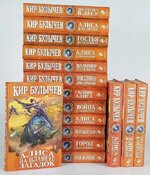
Полное собрание сочинений Кира Булычёва из серии «Алиса Селезнёва», выпущенное издательством «Эксмо» в 2009 году.
На фото обложки книг и некоторые иллюстрации.
The complete works of Kir Bulychev from the "Alisa Selezneva" series, published by Eksmo in 2009.
The photo shows the book covers and some illustrations.

Obras completas de Kir Bulychev de la serie «Alisa Selezneva», publicadas por Eksmo en 2009.
La foto muestra las portadas y algunas ilustraciones.
7a24179a6a70f6fz.jpg

d94d652476caacfz.jpg
Clipboard_05-03-2026_05.jpg
0191783383eccf5z.jpg
e2fbcb3d1ec0390z.jpgae535bf10947b46z.jpg
 
Коллаж "Фантастические миры Кира Булычева".
Collage "Fantasy worlds of Kir Bulychev".
Collage "Mundos fantásticos de Kir Bulychev".


Clipboard_05-03-2026_06.jpg
 
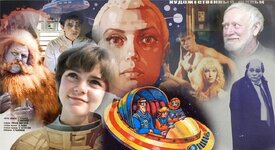
Коллаж "Экранизации книг Кира Булычева".
Collage "Film adaptations of Kir Bulychev's books".
Collage "Adaptaciones cinematográficas de los libros de Kir Bulychev".

98a0c610-b7e1-11eb-b2a3-a99842433e6e.jpg
 
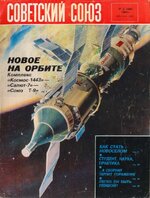
Обложка журнала "Советский союз". №2 (408). 1984 год.
На фото: Орбитальный комплекс "Космос - 1443" - "Салют - 7" - "Союз Т-9".
Cover of "Soviet Union" magazine, issue 2 (408), 1984.
Pictured: Orbital complex "Kosmos-1443" - "Salyut-7" - "Soyuz T-9."

Portada de la revista «Unión Soviética», número 2 (408), 1984.

En la imagen: Complejo orbital «Kosmos-1443» - «Salyut-7» - «Soyuz T-9».
obl.jpg
 
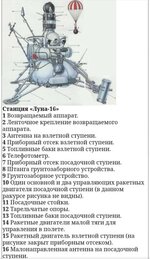
«Луна-16»советская автоматическая межпланетная станция для изучения Луны и космического пространства. Стала первым автоматическим аппаратом, доставившим внеземное вещество на Землю (перед этим его доставляли лишь пилотируемые экспедиции).
1.Возвращаемый аппарат.
2.Ленточное крепление возвращаемого аппарата.
3.Антенна на взлетной ступени.
4.Приборный отсек взлетной ступени.
5.Топливные баки взлетной ступени.
6.Телефотометр.
7.Приборный отсек посадочной ступени.
8.Штанга грунтозаборного устройства.
9.Грунтозаборное устройство.
10.Один основной и два управляющих ракетных двигателя посадочной ступени (в данном ракурсе рисунка не видны).
11.Посадочные стойки.
12.Тарельчатые опоры.
13.Топливные баки посадочной ступени.
14.Ракетные двигатели малой тяги для управления в полете.
15.Ракетный двигатель взлетной ступени(на рисунке закрыт приборным отсеком).
16.Малонаправленная антенна на посадочной ступени.

Luna-16 was a Soviet unmanned interplanetary probe designed to study the Moon and outer space. It was the first unmanned spacecraft to return extraterrestrial material to Earth (previously, only manned expeditions had done so).

1. Return module.
2. Return module attachment strap.
3. Antenna on the ascent stage.
4. Ascent stage instrument compartment.
5. Ascent stage fuel tanks.
6. Telephotometer.
7. Descent stage instrument compartment.
8. Soil sampling rod.
9. Soil sampling device.
10. One main and two control rocket engines of the descent stage (not visible in this view).
11. Landing legs.
12. Disk-shaped supports.
13. Descent stage fuel tanks.
14. Low-thrust rocket engines for in-flight control.
15. Ascent stage rocket engine (covered by the instrument compartment in the picture).

16. Low-directional antenna on the descent stage.
Luna-16 fue una sonda interplanetaria soviética no tripulada diseñada para estudiar la Luna y el espacio exterior. Fue la primera nave espacial no tripulada en traer material extraterrestre a la Tierra (anteriormente, solo las expediciones tripuladas lo habían hecho).

1. Módulo de retorno.
2. Correa de sujeción del módulo de retorno.
3. Antena en la etapa de ascenso.
4. Compartimento de instrumentos de la etapa de ascenso.
5. Tanques de combustible de la etapa de ascenso.
6. Telefotómetro.
7. Compartimento de instrumentos de la etapa de descenso.
8. Varilla de muestreo de suelo.
9. Dispositivo de muestreo de suelo.
10. Un motor cohete principal y dos de control de la etapa de descenso (no visibles en esta imagen).
11. Patas de aterrizaje.
12. Soportes en forma de disco.
13. Tanques de combustible de la etapa de descenso.
14. Motores cohete de bajo empuje para el control en vuelo.
15. Motor del cohete de la etapa de ascenso (cubierto por el compartimento de instrumentos en la imagen).

16. Antena direccional baja en la etapa de descenso.
MBpQCfuVoxfVZ372JLs9afn6xUjkkozbLHCyF2WQH_Cy6ANn468gzU_qCyUG3E1UM2Yto2wLHWTS2lPiBFlPlAJi.jpg
 
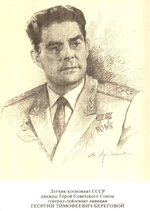
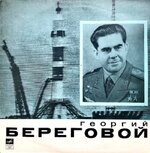
Гео́ргий Тимофе́евич Берегово́й (15 апреля 1921, село Фёдоровка, Полтавская губерния, Украинская ССР30 июня 1995, Москва, Россия) — лётчик-космонавт СССР № 12, заслуженный лётчик-испытатель СССР, генерал-лейтенант авиации, кандидат психологических наук. Дважды Герой Советского Союза (единственный, кто удостоен первой звезды Героя за Великую Отечественную войну, а второй — за полёт в космос). Лауреат Государственной премии СССР (1981).

Береговой родился раньше всех из побывавших на орбите людей (он родился на 3 месяца раньше Джона Гленна, но позже Джо Уокера, совершившего суборбитальные космические полёты на X-15 в 1963 году и погибшего в 1966 году, до полёта Берегового). Совершив космический полёт в 47-летнем возрасте, в течение нескольких лет являлся старейшим человеком, побывавшим на орбите (в 1974 году его превзошёл Лев Дёмин).

26—29 октября 1968 года, спустя полтора года после трагической гибели В. М. Комарова (24 апреля 1967 года на «Союзе-1»), совершил космический полёт на корабле «Союз-3».


Georgy Timofeyevich Beregovoy (April 15, 1921, village of Fyodorovka, Poltava Governorate, Ukrainian SSR — June 30, 1995, Moscow, Russia) was a Soviet cosmonaut (No. 12), Honored Test Pilot of the USSR, Aviation Lieutenant General, and Candidate of Psychological Sciences. He was twice awarded the title Hero of the Soviet Union (the only person to receive the first Gold Star for the Great Patriotic War and the second for a spaceflight). He was also a laureate of the USSR State Prize (1981).

Beregovoy was born earlier than any other person who later flew in orbit (he was born three months before John Glenn, but later than Joe Walker, who carried out suborbital spaceflights on the X-15 in 1963 and died in 1966, before Beregovoy’s flight). Having flown in space at the age of 47, he remained for several years the oldest person to have been in orbit (in 1974 he was surpassed by Lev Dyomin).
From October 26 to 29, 1968, a year and a half after the tragic death of Vladimir Komarov (April 24, 1967, on Soyuz-1), he carried out a spaceflight aboard the spacecraft Soyuz-3.
Georgui Timoféyevich Beregovói (15 de abril de 1921, aldea de Fiódorovka, gobernación de Poltava, RSS de Ucrania — 30 de junio de 1995, Moscú, Rusia) fue cosmonauta de la URSS (n.º 12), piloto de pruebas honorado de la URSS, teniente general de aviación y candidato en ciencias psicológicas. Fue dos veces Héroe de la Unión Soviética (el único que recibió la primera Estrella de Oro por la Gran Guerra Patria y la segunda por un vuelo espacial). También fue laureado del Premio Estatal de la URSS (1981).

Beregovói nació antes que cualquier otra persona que posteriormente volara en órbita (nació tres meses antes que John Glenn, pero después que Joe Walker, quien realizó vuelos suborbitales en el X-15 en 1963 y falleció en 1966, antes del vuelo de Beregovói). Al realizar su vuelo espacial a los 47 años, durante varios años fue la persona de mayor edad en haber estado en órbita (en 1974 fue superado por Lev Dyomin).
Del 26 al 29 de octubre de 1968, un año y medio después de la trágica muerte de Vladímir Komarov (24 de abril de 1967, en el Soyuz-1), llevó a cabo un vuelo espacial a bordo de la nave Soyuz-3.
oNBXdEMqr5qiQjiLumdG8D2xP0ufkY0Kc82Po5pyAkOovRlW0Zc1xveblYGmfl_4NwrmVn2kDf1qLe-QIVj0LDTE.jpg
 
"Угол атаки... Он может меняться. Докритический, критический, закритический... Критический — это максимум подъемной силы, самый крутой набор высоты! Круче нельзя: если взять круче и выйти на закритический, тогда не миновать катастрофы: лишившаяся подъемной силы машина провалится и будет падать до самой земли...
Угол атаки... Жизнь — это тоже атака. Атака во имя поставленной перед собой цели — той единственной, самой важной, стержневой цели, которая определяет всю судьбу.
Цель тоже бывает разной. Низменной и высокой. Высота цели определяется тем, кому и для чего она нужна. Если цель избрана не тщеславием, не жаждой славы, не эгоизмом, если она продиктована не самовлюбленностью, а любовью к людям, такая цель благородна и высока. И чем нужнее, чем необходимее она не тебе одному, а всем вместе, тем она благородней и выше.
Достичь такой цели бывает трудно, подчас очень трудно, почти невозможно.,. И все же если это настоящая цель, сдаваться и отступать нельзя; ее нужно вновь и вновь штурмовать, штурмовать упорно и настойчиво, штурмовать изо дня в день — всей жизнью. Это только кажется, что невозможно; настоящую, подлинно высокую цель необходимо достичь.
Но чтобы ее достичь, надо правильно выбрать угол атаки... Надо суметь набрать максимум подъемной силы, не упустить ни одной, пусть даже самой малой, возможности, но и не зарваться, выйдя на запретную крутизну, которая ведет не к цели, а к катастрофе...
Значит, идти на цель нужно на наивыгоднейшем углу атаки; жизнь слишком коротка, чтобы выбирать отлогий подъем. Но если не щадить себя, если не разбазаривать по пустякам силы и время, она вместе с тем и достаточно продолжительна, чтобы добиться многого из того, что намечено.
Конечно, безошибочно определить свою главную цель очень трудно и не всегда удается. Но всегда можно выбрать правильный способ жизни. А это в конечном счете тот же ориентир. Не зря говорится: «Посеешь поступок, пожнешь привычку; посеешь привычку, пожнешь характер; посеешь характер, пожнешь судьбу». Разорвать эту взаимосвязь большинству из нас не под силу — она срабатывает автоматически, но тот, кто твердо, раз и навсегда, выбрал для себя способ жизни, овладевает вместе с тем и возможностью самому выковывать ее первые, самые важные звенья, которые в итоге определяют и всю цепь и ее подлинный — не по личным, а общественным меркам — вес".
(Георгий Береговой. "Небо начинается на земле").
..................................................................................
Цит.по : Георгий Тимофе́евич Берегово́й
НЕБО НАЧИНАЕТСЯ НА ЗЕМЛЕ

МОСКВА. Издательство "Молодая гвардия". 1976
“Angle of attack… It can change: subcritical, critical, supercritical… The critical angle is the maximum lift, the steepest climb! Steeper is impossible: if you go steeper and enter the supercritical range, disaster is inevitable—the aircraft, deprived of lift, will stall and fall all the way to the ground…

Angle of attack… Life is also an attack. An attack in the name of a goal you set for yourself—the one, the most important, central goal that determines your entire destiny.
Goals, too, are different: base or lofty. The height of a goal is determined by whom it serves and for what purpose. If a goal is chosen not out of vanity, not out of a thirst for fame, not out of selfishness, if it is inspired not by self-admiration but by love for people, then such a goal is noble and lofty. And the more necessary it is not only for you but for everyone, the nobler and higher it is.
To achieve such a goal can be difficult—at times very difficult, almost impossible… And yet, if it is a true goal, one must not give up or retreat; it must be stormed again and again, persistently and resolutely, day after day—through one’s entire life. It only seems impossible; a genuine, truly lofty goal must be achieved.
But to achieve it, one must choose the correct angle of attack… One must be able to gain maximum lift, not miss a single opportunity, even the smallest one, yet not overreach by entering a forbidden steepness that leads not to the goal but to disaster…
This means that one must move toward the goal at the most advantageous angle of attack; life is too short to choose a gentle slope. But if you do not spare yourself, if you do not waste your strength and time on trifles, it is also long enough to accomplish much of what is intended.
Of course, it is very difficult to determine your main goal without error, and it is not always possible. But it is always possible to choose the right way of life. And this, in the end, is the same kind of guide. It is not for nothing that it is said: “Sow an action, reap a habit; sow a habit, reap a character; sow a character, reap a destiny.” Most of us cannot break this chain—it works automatically—but the one who firmly, once and for all, chooses a way of life thereby gains the ability to forge its first and most important links, which ultimately determine the entire chain and its true weight—not by personal, but by social standards.”
(Georgy Beregovoy, “The Sky Begins on Earth”)

Source: Georgy Timofeyevich Beregovoy, The Sky Begins on Earth, Moscow, Molodaya Gvardiya Publishers, 1976.
«Ángulo de ataque… Puede variar: subcrítico, crítico, supercrítico… El ángulo crítico es el máximo de sustentación, ¡la ascensión más pronunciada! Más pronunciada no puede ser: si se aumenta y se entra en la zona supercrítica, la catástrofe es inevitable: la máquina, privada de sustentación, entrará en pérdida y caerá hasta el suelo…

Ángulo de ataque… La vida también es un ataque. Un ataque en nombre de una meta que uno se fija: la única, la más importante, la meta central que determina todo el destino.
Las metas también son distintas: bajas o elevadas. La altura de una meta la determina a quién sirve y para qué. Si la meta no se elige por vanidad, ni por sed de gloria, ni por egoísmo; si no está dictada por el amor propio, sino por el amor a las personas, entonces es noble y elevada. Y cuanto más necesaria sea no solo para uno mismo, sino para todos, tanto más noble y elevada será.
Alcanzar una meta así es difícil, a veces muy difícil, casi imposible… Y, sin embargo, si es una meta verdadera, no hay que rendirse ni retroceder; hay que asaltarla una y otra vez, con constancia y firmeza, día tras día, a lo largo de toda la vida. Solo parece imposible; una meta auténtica, verdaderamente elevada, debe alcanzarse.
Pero para lograrlo, hay que elegir correctamente el ángulo de ataque… Hay que saber obtener la máxima sustentación, no perder ni una sola oportunidad, ni siquiera la más pequeña, pero tampoco excederse entrando en una inclinación prohibida que conduce no a la meta, sino a la catástrofe…
Esto significa que hay que avanzar hacia la meta con el ángulo de ataque más ventajoso; la vida es demasiado corta para elegir una pendiente suave. Pero si uno no se escatima, si no malgasta sus fuerzas y su tiempo en cosas insignificantes, también es lo suficientemente larga como para lograr mucho de lo previsto.
Por supuesto, determinar sin error la meta principal es muy difícil y no siempre se consigue. Pero siempre es posible elegir el modo de vida correcto. Y eso, en última instancia, es el mismo punto de referencia. No en vano se dice: «Siembras un acto, recoges un hábito; siembras un hábito, recoges un carácter; siembras un carácter, recoges un destino». La mayoría de nosotros no puede romper esta cadena: funciona automáticamente; pero quien elige firmemente, de una vez para siempre, su modo de vida, adquiere al mismo tiempo la capacidad de forjar sus primeros y más importantes eslabones, que en definitiva determinan toda la cadena y su verdadero peso, no según criterios personales, sino sociales».
(Georgui Beregovói, «El cielo comienza en la Tierra»)

Fuente: Georgui Timoféyevich Beregovói, El cielo comienza en la Tierra, Moscú, Editorial Molodaya Gvardiya, 1976.
R-7619863-1751322519-6486.jpg
 
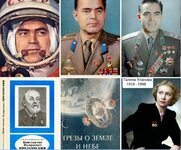
"В юности мне попалась на глаза книжка с удивительно романтичным названием "Грёзы о Земле и небе". Автором её был Константин Эдуардович Циолковский. Думалось ли тогда что я стану свидетельницей осуществления его мечты?
Наш, советский человек первым поднялся в космос. В третий раз мы услышали имя покорителя Вселенной. Сегодня это Николаев.
Действительность оказалась чудеснее самой смелой мечты. Мы живём в необычайное время, в дни свершения сказок. Через сотни, десятки сотен лет, потомки будут считать нас, современников первых подвигов в космосе, счастливейшими из людей. Люди всех профессий радуются сейчас, сознают себя участниками великих событий. Я счастлива и горжусь тем, что мне пришлось жить в такое замечательное время".(Галина Уланова. "Мы - счастливейшие").
.......................................................................
Примечание: Гали́на Серге́евна Ула́нова — советская балерина, педагог. Прима-балерина Ленинградского театра оперы и балета им. С. М. Кирова и Большого театра СССР. Дважды Герой Социалистического Труда, народная артистка СССР, лауреат Ленинской премии, четырёх Сталинских премий, премии президента РФ.
....................................................................
Цит.по: В КОСМОСЕ НИКОЛАЕВ И ПОПОВИЧ
Сборник документов и материалов, опубликованных в газете "Правда" и в других центральных газетах, о беспримерном групповом полёте вокруг Земли космических кораблей "Восток-3" и "Восток-4"
Редакторы-составители: М. Б. Черненко, А. К. Азизян, В. Ф. Реут, Б. А. Дубровин
Художники книги: С. Ю. Сахарова, Г. Г. Фёдоров, В. Л. Ильичёв
Технический редактор: В. В. Масленников.
Москва/ Издательство "Правда"/ 1963 год.

На фото: верхний ряд - фотографии космонавта А. Николаева;
нижний ряд: крайнее фото слева - обложка книги А.А. Космодемьянского "Константин Эдуардович Циолковский"; фото в центре - обложка книги К.Э.Циолковского "Грезы о Земле и небе"; крайнее фото справа - балерина Галина Уланова.

“In my youth, I came across a book with an extraordinarily romantic title, ‘Dreams of Earth and Sky.’ Its author was Konstantin Eduardovich Tsiolkovsky. Could I have imagined then that I would become a witness to the realization of his dream?

Our Soviet compatriot was the first to rise into space. For the third time, we heard the name of a conqueror of the Universe. Today, that name is Nikolaev.
Reality has proved more wonderful than the boldest dream. We live in an extraordinary time, in days when fairy tales come true. In hundreds, in many hundreds of years, our descendants will consider us—the contemporaries of the first feats in space—the happiest of people. People of all professions rejoice today, feeling themselves participants in great events. I am happy and proud that I have lived in such a remarkable time.”
(Galina Ulanova, “We Are the Happiest”)
Note:
Galina Sergeyevna Ulanova was a Soviet ballerina and teacher, prima ballerina of the Kirov Leningrad State Academic Theater of Opera and Ballet and the Bolshoi Theatre of the USSR. She was twice awarded the title Hero of Socialist Labor, was a People’s Artist of the USSR, and a laureate of the Lenin Prize, four Stalin Prizes, and the Prize of the President of the Russian Federation.
Source:
In Space: Nikolaev and Popovich.
A collection of documents and materials published in the newspaper Pravda and other central newspapers about the unprecedented group flight around the Earth of the spacecraft Vostok-3 and Vostok-4.
Editors-compilers: M. B. Chernenko, A. K. Azizyan, V. F. Reut, B. A. Dubrovin.
Book designers: S. Yu. Sakharova, G. G. Fyodorov, V. L. Ilyichev.
Technical editor: V. V. Maslennikov.
Moscow, Pravda Publishing House, 1963.
In the photo:
Top row — photographs of cosmonaut A. Nikolaev;

Bottom row — far left: the cover of A. A. Kosmodemyansky’s book “Konstantin Eduardovich Tsiolkovsky”; center: the cover of K. E. Tsiolkovsky’s book “Dreams of Earth and Sky”; far right: ballerina Galina Ulanova.
«En mi juventud cayó en mis manos un libro con un título extraordinariamente romántico, «Sueños de la Tierra y del cielo». Su autor era Konstantín Eduárdovich Tsiolkovski. ¿Podía imaginar entonces que sería testigo de la realización de su sueño?

Nuestro compatriota soviético fue el primero en elevarse al espacio. Por tercera vez escuchamos el nombre de un conquistador del Universo. Hoy ese nombre es Nikolaev.
La realidad resultó ser más maravillosa que el sueño más audaz. Vivimos en una época extraordinaria, en días en que los cuentos se hacen realidad. Dentro de cientos, de muchos cientos de años, nuestros descendientes nos considerarán a nosotros, los contemporáneos de las primeras hazañas en el espacio, las personas más felices. Personas de todas las profesiones se alegran hoy, sintiéndose partícipes de grandes acontecimientos. Soy feliz y me siento orgullosa de haber vivido en un tiempo tan maravilloso».
(Galina Ulánova, «Somos los más felices»)
Nota:
Galina Serguéievna Ulánova fue una bailarina y pedagoga soviética, prima ballerina del Teatro Académico Estatal de Ópera y Ballet Kírov de Leningrado y del Teatro Bolshói de la URSS. Fue dos veces Heroína del Trabajo Socialista, Artista del Pueblo de la URSS y laureada del Premio Lenin, de cuatro Premios Stalin y del Premio del Presidente de la Federación de Rusia.
Fuente:
En el espacio: Nikolaev y Popovich.
Recopilación de documentos y materiales publicados en el periódico Pravda y en otros periódicos centrales sobre el vuelo conjunto sin precedentes alrededor de la Tierra de las naves espaciales Vostok-3 y Vostok-4.
Editores-compiladores: M. B. Chernenko, A. K. Azizyan, V. F. Reut, B. A. Dubrovin.
Diseño del libro: S. Yu. Sájarova, G. G. Fiódorov, V. L. Illichov.
Editor técnico: V. V. Maslénnikov.
Moscú, Editorial Pravda, 1963.
En la foto:
Fila superior — fotografías del cosmonauta A. Nikolaev;

Fila inferior — izquierda: portada del libro de A. A. Kosmodemiánski «Konstantín Eduárdovich Tsiolkovski»; centro: portada del libro de K. E. Tsiolkovski «Sueños de la Tierra y del cielo»; derecha: la bailarina Galina Ulánova.
Clipboard_05-04-2026_02.jpg
 
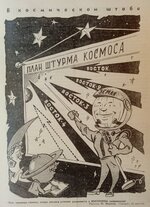
Космические рисунки в СССР.
Художник Ю. Иванов. Газета "Правда". 15 августа 1962 года.
Текст на рисунке: В КОСМИЧЕСКОМ ШТАБЕ.
ПЛАН ШТУРМА КОСМОСА.
- Итак, товарищи планеты, штурм космоса успешно развивается в ВОСТОЧНОМ направлении.

Space drawings in the USSR.

Artist Yu. Ivanov. Pravda newspaper. August 15, 1962.
Text on the drawing: AT SPACE HEADQUARTERS.
SPACE ASSAULT PLAN.

- So, comrades of the planet, the assault on space is progressing successfully in the EASTERN direction.
Dibujos espaciales en la URSS.

Artista Yu. Ivanov. Periódico Pravda. 15 de agosto de 1962.
Texto en el dibujo: EN EL CUARTEL GENERAL ESPACIAL.
PLAN DE ASALTO ESPACIAL.

—Así pues, camaradas del planeta, el asalto al espacio avanza con éxito en dirección ESTE
hkCgnFsLnRK3VSkb8Kp_MC0QQRHSq_a0MBXdOEaKK-hK9JRraQYIQZhNXoq2tcOFg4NwDzPM6TM7xS9OLkrwqZzG.jpg
 
@Alex1973 ,
Is there a reason why you’re using such an excessively large and bold font, and making it colourful as well?

This very extensive and undoubtedly interesting documentation would be much better suited to a PDF document, which one can browse through at one’s leisure. Or, even better, in three separate documents, each in a single language.
 
Космические обложки советских журналов.
...........................................................
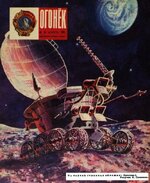
Журнал "Огонёк" №16, 1973 год.

На первой странице обложки: Луноход - 2. Рисунок художника А.Соколова.

Space-themed covers of Soviet magazines.

.............................................................
Ogonyok magazine, issue #16, 1973.

Front cover: Lunokhod-2. Illustration by A. Sokolov.

Portadas de revistas soviéticas con temática espacial.

............................................................
Revista Ogonyok, número 16, 1973.

Portada: Lunokhod-2. Ilustración de A. Sokolov.

d-KETUK7clcPyrdMJOL6kPNotBB0PGHKBIBvBdZ1iUIHtZ9nUhpbNKcRsP2-EIRiI6CmgLBIhVn7jDs6di-KbFcF.jpg
 
@Alex1973 ,
Is there a reason why you’re using such an excessively large and bold font, and making it colourful as well?

This very extensive and undoubtedly interesting documentation would be much better suited to a PDF document, which one can browse through at one’s leisure. Or, even better, in three separate documents, each in a single language.
I use large fonts for people with poor eyesight. I wear glasses, and I have to squint at small fonts even with them. As for converting texts to PDF, it takes too much time for me.
 
8 января в 9 час 55 мин состоялся запуск автоматической станции (АС) «Луна-21». На ее борту находился автоматический самоходный аппарат «Луноход- 2». Для обеспечения выхода станции в расчетную точку окололунного пространства 9 января была осуществлена коррекция траектории полета. При подлете к Луне 12 января была проведена операция торможения, и станция перешла на селеноцентрическую орбиту со следующими параметрами: минимальная высота над поверхностью Луны - 90 км, максимальная - 110 км; наклонение орбиты к плоскости лунного экватора - 60°; период обращения вокруг Луны 1 час 58 мин. Согласно программе полета, 13 и 14 января были проведены коррекции окололунной орбиты. АС «Луна-21» стала обращаться по эллиптической орбите с минимальным удалением от поверхности Луны 16 км. Сход с орбиты и посадка станции были выполнены с помощью унифицированной посадочной ступени. 16 января в 01 час 35 мин автоматическая станция «Луна-21» совершила мягкую посадку на поверхность Луны на восточной окраине Моря Ясности, внутри кратера Лемонье. Точка посадки имеет координаты 25°51' с. ш. и 30°27' в. д. В 04 час 14 мин «Луноход-2» по трапу сошел на поверхность Луны и приступил к выполнению программы научно-технических исследований и экспериментов. Масса «Лунохода-2» составляла 840 кг.

Программа работы лунохода была составлена в соответствии с главной комплексной научной задачей совместного изучения вариаций основных физико-химических свойств поверхности в зависимости от геолого-морфологической обстановки в зоне перехода морского района Луны в материковый. В эту задачу входило получение геолого-морфологических и топографических данных, изучение магнитного поля, химического состава поверхностного слоя и физико-механических свойств грунта, а также оптических' свойств поверхности. Для получения научной информации на луноходе были установлены магнитометр, рентгеноспектральный прибор для анализа химического состава лунного грунта, прибор для оценки физико-механических свойств грунта; в поле зрения панорамных камер были введены специальные фотометрические марки, представляющие собой пластинку с 39 полями, обладавшими различной отражательной способностью.
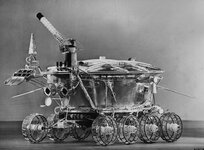
Проведение геолого-морфологических и топографических исследований местности выполнялось на основе съемки лунного ландшафта, в которую входило получение телевизионных панорам и снимков, а также данных о длине пройденного пути и положения аппарата на лунной поверхности. На борту лунохода были установлены также приборы, предназначенные для решения и других научных задач. Это астрофотометр, измеряющий светимость лунного неба, радиометр, измеряющий характеристики космического излучения, фотоприемник «Рубин-1», служащий для проведения экспериментов по лазерной пеленгации лунохода, а также французский уголковый отражатель лазерного излучения. На фото "Луноход-2".


On January 8 at 09:55, the automatic station Luna-21 was launched. On board it carried the automatic self-propelled vehicle Lunokhod-2. To ensure that the station reached the calculated point in the near-lunar space, a trajectory correction was carried out on January 9. During the approach to the Moon, on January 12, a braking maneuver was performed, and the station entered a selenocentric orbit with the following parameters: minimum altitude above the lunar surface — 90 km, maximum — 110 km; inclination of the orbit to the plane of the lunar equator — 60°; orbital period around the Moon — 1 hour 58 minutes. According to the flight program, orbital corrections were carried out on January 13 and 14. The Luna-21 station then moved in an elliptical orbit with a minimum altitude of 16 km above the lunar surface. Deorbiting and landing were carried out using a unified landing stage. On January 16 at 01:35, the automatic station Luna-21 performed a soft landing on the lunar surface at the eastern edge of the Sea of Serenity, inside the Le Monnier crater. The landing site has coordinates 25°51′ N latitude and 30°27′ E longitude. At 04:14, Lunokhod-2 descended from the ramp onto the lunar surface and began carrying out its program of scientific and technical investigations and experiments. The mass of Lunokhod-2 was 840 kg.

The program of the rover’s operation was designed in accordance with the main comprehensive scientific objective: the joint study of variations in the principal physicochemical properties of the surface depending on the geological and morphological conditions in the transition zone from the lunar mare region to the continental area. This task included obtaining geological, morphological, and topographic data, studying the magnetic field, the chemical composition of the surface layer, and the physical and mechanical properties of the soil, as well as the optical properties of the surface. To obtain scientific data, the rover was equipped with a magnetometer, an X-ray spectrometer for analyzing the chemical composition of the lunar soil, and an instrument for assessing the physical and mechanical properties of the soil. Special photometric calibration targets were included in the field of view of the panoramic cameras; these consisted of a plate with 39 sections having different reflectivity.
Geological, morphological, and topographic studies of the terrain were carried out based on imaging of the lunar landscape, which included obtaining television panoramas and photographs, as well as data on the distance traveled and the position of the vehicle on the lunar surface. The rover was also equipped with instruments for solving other scientific tasks: an astrophotometer measuring the brightness of the lunar sky, a radiometer measuring characteristics of cosmic radiation, a photodetector Rubin-1 used for laser ranging experiments with the rover, as well as a French corner reflector for laser radiation.
Photo: Lunokhod-2.


El 8 de enero a las 09:55 se realizó el lanzamiento de la estación automática Luna-21. A bordo se encontraba el vehículo automático autopropulsado Lunojod-2. Para garantizar la llegada de la estación al punto previsto en el espacio cercano a la Luna, el 9 de enero se efectuó una corrección de la trayectoria de vuelo. Durante la aproximación a la Luna, el 12 de enero se llevó a cabo una maniobra de frenado, tras la cual la estación pasó a una órbita selenocéntrica con los siguientes parámetros: altura mínima sobre la superficie lunar — 90 km, máxima — 110 km; inclinación de la órbita respecto al plano del ecuador lunar — 60°; período de revolución alrededor de la Luna — 1 hora 58 minutos. De acuerdo con el programa de vuelo, los días 13 y 14 de enero se realizaron correcciones de la órbita lunar. La estación Luna-21 pasó a desplazarse en una órbita elíptica con una altura mínima de 16 km sobre la superficie lunar. El descenso de la órbita y el aterrizaje se efectuaron mediante una etapa de aterrizaje unificada. El 16 de enero a las 01:35 la estación automática Luna-21 realizó un alunizaje suave en la superficie de la Luna, en el borde oriental del Mar de la Serenidad, dentro del cráter Le Monnier. El punto de aterrizaje tiene las coordenadas 25°51′ de latitud norte y 30°27′ de longitud este. A las 04:14, el Lunojod-2 descendió por la rampa a la superficie lunar y comenzó la ejecución de su programa de investigaciones y experimentos científicos y técnicos. La masa del Lunojod-2 era de 840 kg.

El programa de trabajo del vehículo fue elaborado de acuerdo con la principal tarea científica integral: el estudio conjunto de las variaciones de las propiedades fisicoquímicas fundamentales de la superficie en función de las condiciones geológicas y morfológicas en la zona de transición entre las regiones de mares lunares y las zonas continentales. Esta tarea incluía la obtención de datos geológicos, morfológicos y topográficos, el estudio del campo magnético, la composición química de la capa superficial y las propiedades físico-mecánicas del suelo, así como las propiedades ópticas de la superficie. Para obtener información científica, el vehículo estaba equipado con un magnetómetro, un espectrómetro de rayos X para analizar la composición química del suelo lunar y un instrumento para evaluar las propiedades físico-mecánicas del suelo. En el campo de visión de las cámaras panorámicas se introdujeron marcas fotométricas especiales, que consistían en una placa con 39 sectores con diferentes niveles de reflectividad.
Los estudios geológicos, morfológicos y topográficos del terreno se realizaron a partir de la obtención de imágenes del paisaje lunar, que incluían panoramas televisivos y fotografías, así como datos sobre la distancia recorrida y la posición del vehículo en la superficie lunar. A bordo también se instalaron instrumentos destinados a resolver otras tareas científicas: un astrofotómetro que medía la luminosidad del cielo lunar, un radiómetro que medía las características de la radiación cósmica, un fotodetector Rubin-1 utilizado para experimentos de localización láser del vehículo, así como un reflector angular francés para radiación láser.

Foto: Lunojod-2.

17-3.jpg
 
Back
Top