

41 kW really isn't terrible. The Saturn V first stage fuel pump was something like 40 MW. A Tesla car battery can receive or transfer power at rates from 450-650 kW.Ok, from what I gather, I'd have to multiply m^3/s * Pa, so that would be equivalent to litres/s * kPa. Which leaves me with 41 kW, before factoring in efficiency. That's a small car! No idea how I'd power that from batteries...
The trick is that you need to determine the amount of energy that needs to be transferred - how long you need to maintain this power. Take your 41 kW, divide by pump efficiency, and multiply it by the number of hours you need to operate the pump and that will tell you how big of a battery you need. Teslas have batteries ~ 50-70 kWh, so they could deliver that amount of power for perhaps 20-30 minutes.
IIRC there is a New Zealand group that flew a rocket named Electron which used battery operated pumps like this. They had to hot-swap and jettison the batteries during ascent. They had some switching problems if I recall but they were getting rockets toward space, if not into it. The technology is definitely possible.
I think the thing I love about being an engineer is calculating a big force/pressure/power and translating those numbers into a truly awesome mental picture of how much damage it could cause if something goes awry. I rather like horrifying my students by making them do this as well.I'll be over there calculating how much pressurizer I'd need, probably just to be shocked again.

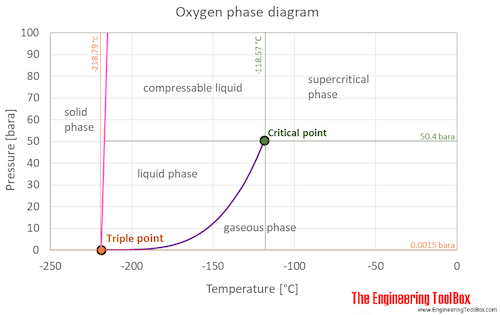

 ).
).


