

While everyone in aerospace shuts down for the New Year (well, maybe not the guys and girls of the SoCal-aerospace-company-which-must-not-be-named :rofl , the Chinese had to fought to the very last day of the year to get some rest!
The 24th Long March 3A rocket to fly lifted off from its home base Xichang Satellite Launch Center's pad 2 on the last day of 2014 at 01:02 UTC, and its 3 stages had a flawless performance that puts its payload FY-2G into geosynchronous transfer orbit 25 minutes later.
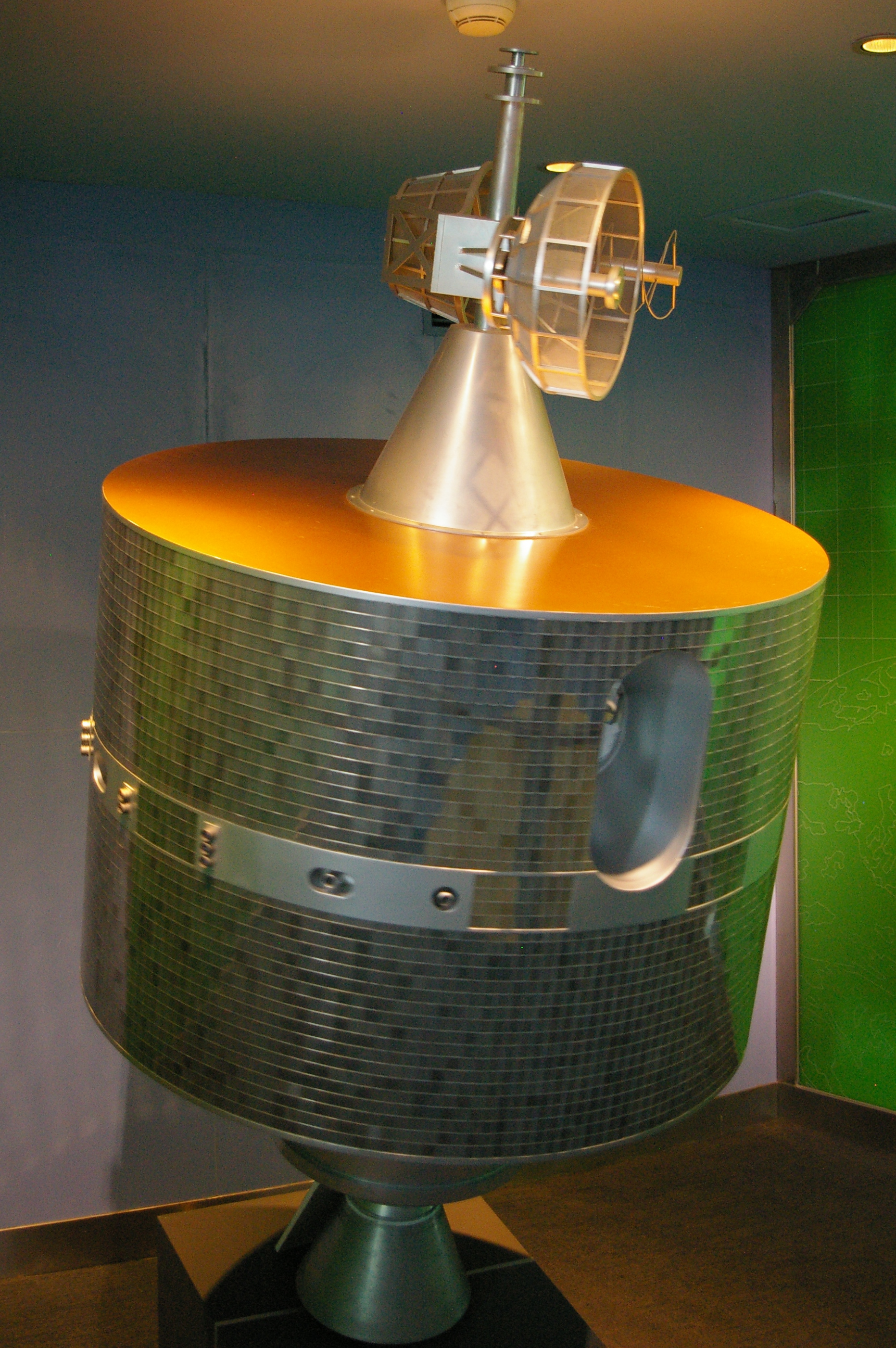
FY-2G (Fengyun literally means "wind and cloud" in Mandarin, although when used in literature it usually means dramatic events, an apt name for weather satellites) is the latest member of China Meteorological Administration's geosynchronous weather satellite fleet. The FY-2 series had a very difficult start (the first one blew up at the launch site in 1994 before it could be even launched; FY-2A failed in 1 month after reaching orbit in 1997 and FY-2B only worked for 1 year in 2000-2001), but had gradually build up reliability to serve as one of the main data source of meteorologists for China and the Asia-Pacific Region.
FY-2C, launched in 2004, has just been decommissioned with the 8-year old FY-2D and 6-year old FY-2E in active service and FY-2F launched less than 3 years ago as back-up. With incremental upgrades to the main instrument (the Visible and Infrared Spin-Scan Radiometer), FY-2G is expected to provide even better cloud and precipitation images than before for the Chinese and eastern Asia along with similar new satellites like Japan's Himawari-8 and India's INSAT-3D and provide similar services as America's GOES series and Europe's Meteosat series.
A 9th satellite of the series, FY-2H, is planned for launch in 2017. But before that, China is already expecting the next generation of weather satellites to start preliminary services, with the vastly expanded and improved FY-4 series coming up from 2016 onwards.
And for the very first time since Sputnik 1, a satellite has been launched on December 31 GMT, the last of 366 calender days in a year to receive such treatment! (yes, even February 29 has been crossed off by Japan back in 1976!) This launch marks the end of spaceflight activities in 2014, and it pushes the final launch count of the year to 92 launches, breaking the 90-number barrier for the first time since 1993, i.e. when I just went into existence on Earth! I am proud to say that I try to follow every one of these 92, for I believe that every star and every satellite have their own unique stories.
So this is Cosmic Penguin signing out for 2014. 2015 coverage starts in less than 20 hours with SpaceX's Next Big Leap (TM)! :tiphat:
NASASpaceflight.com: China ends 2014 with Long March 3A launch of Fengyun-2G
Spaceflight Now: China sends new weather satellite into orbit


[ame="http://www.youtube.com/watch?v=E-1tGjba-iM"]http://www.youtube.com/watch?v=E-1tGjba-iM[/ame]
, the Chinese had to fought to the very last day of the year to get some rest!The 24th Long March 3A rocket to fly lifted off from its home base Xichang Satellite Launch Center's pad 2 on the last day of 2014 at 01:02 UTC, and its 3 stages had a flawless performance that puts its payload FY-2G into geosynchronous transfer orbit 25 minutes later.
FY-2G (Fengyun literally means "wind and cloud" in Mandarin, although when used in literature it usually means dramatic events, an apt name for weather satellites) is the latest member of China Meteorological Administration's geosynchronous weather satellite fleet. The FY-2 series had a very difficult start (the first one blew up at the launch site in 1994 before it could be even launched; FY-2A failed in 1 month after reaching orbit in 1997 and FY-2B only worked for 1 year in 2000-2001), but had gradually build up reliability to serve as one of the main data source of meteorologists for China and the Asia-Pacific Region.
FY-2C, launched in 2004, has just been decommissioned with the 8-year old FY-2D and 6-year old FY-2E in active service and FY-2F launched less than 3 years ago as back-up. With incremental upgrades to the main instrument (the Visible and Infrared Spin-Scan Radiometer), FY-2G is expected to provide even better cloud and precipitation images than before for the Chinese and eastern Asia along with similar new satellites like Japan's Himawari-8 and India's INSAT-3D and provide similar services as America's GOES series and Europe's Meteosat series.
A 9th satellite of the series, FY-2H, is planned for launch in 2017. But before that, China is already expecting the next generation of weather satellites to start preliminary services, with the vastly expanded and improved FY-4 series coming up from 2016 onwards.
And for the very first time since Sputnik 1, a satellite has been launched on December 31 GMT, the last of 366 calender days in a year to receive such treatment! (yes, even February 29 has been crossed off by Japan back in 1976!) This launch marks the end of spaceflight activities in 2014, and it pushes the final launch count of the year to 92 launches, breaking the 90-number barrier for the first time since 1993, i.e. when I just went into existence on Earth! I am proud to say that I try to follow every one of these 92, for I believe that every star and every satellite have their own unique stories.
So this is Cosmic Penguin signing out for 2014. 2015 coverage starts in less than 20 hours with SpaceX's Next Big Leap (TM)! :tiphat:
NASASpaceflight.com: China ends 2014 with Long March 3A launch of Fengyun-2G
Spaceflight Now: China sends new weather satellite into orbit
[ame="http://www.youtube.com/watch?v=E-1tGjba-iM"]http://www.youtube.com/watch?v=E-1tGjba-iM[/ame]


 g Red Cloud. You can see one of those on the launch photos. This one's more of a yellow, so I'm inclined to agree with our tuxedo-wearing friend. :lol:


